
What You Must Know Before Buying in a Flood Zone
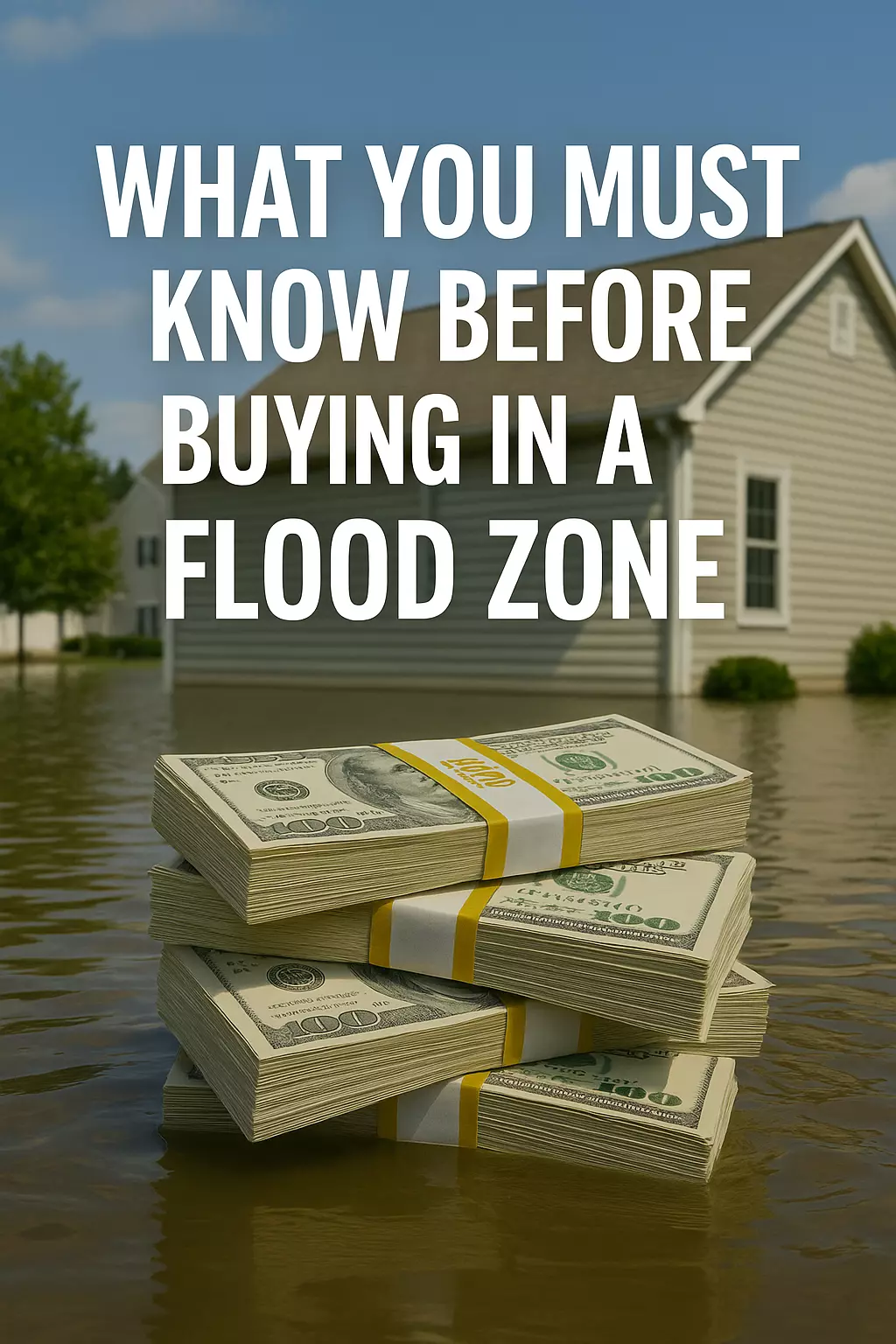
What You Must Know Before Buying in a Flood Zone
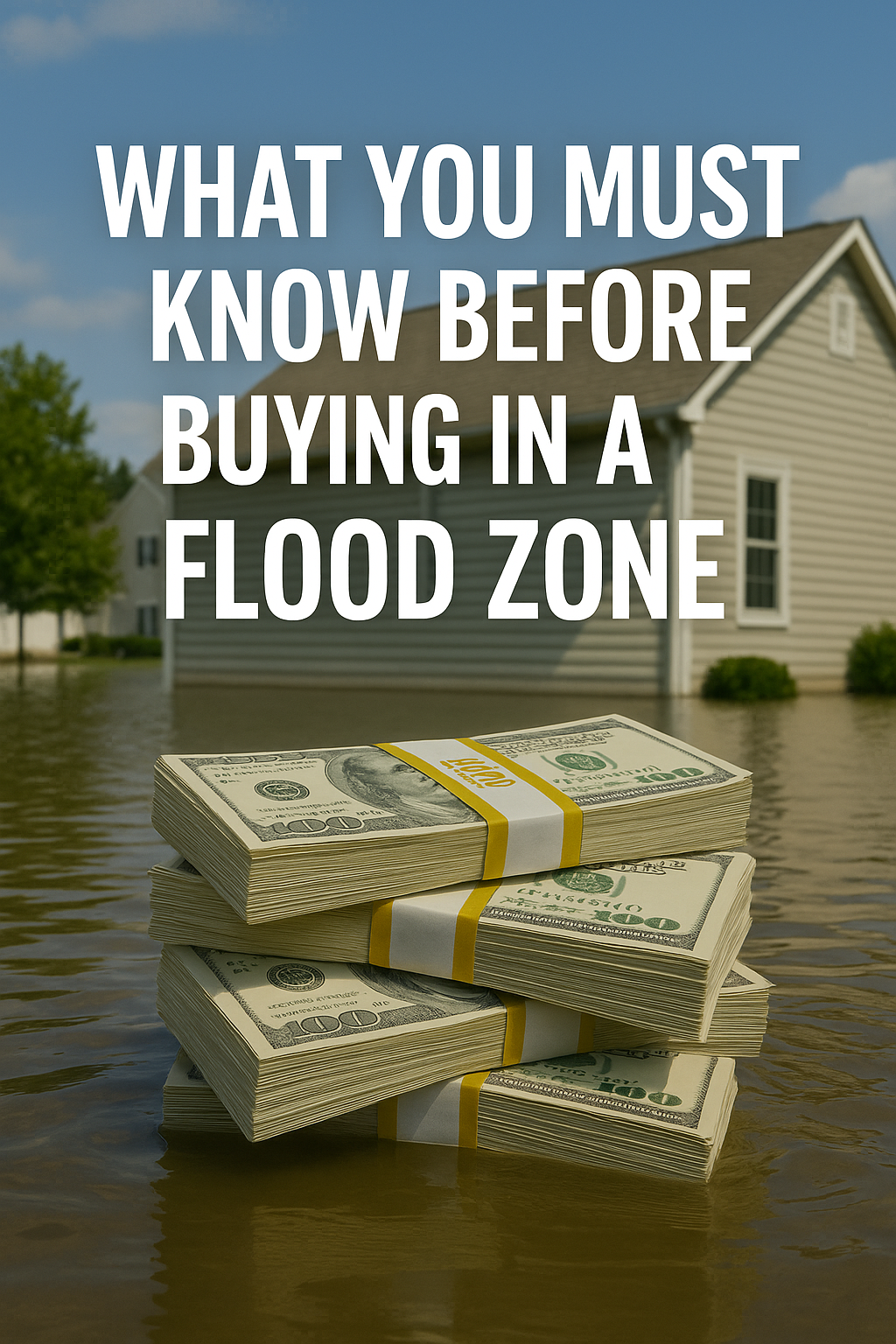
Before buying a property in a flood zone, learn what questions to ask, which documents to review, and the risks to be aware of — without stepping into legal or insurance territory.
Introduction
Buying a home in a flood-prone area may offer beautiful views, water access, and lower prices — but it also introduces financial and physical risks that require serious consideration. From insurance implications to property value and potential flooding events, it’s important to understand the essentials before making a commitment.
This blog provides general information that can help you approach the process with the right questions in mind. Always consult with licensed professionals — such as insurance agents, surveyors, or attorneys — before making decisions based on flood zone status.
Understanding Flood Zones
Flood zones are categories used to describe the likelihood of a property being affected by a flood. These designations are typically based on data like elevation, weather patterns, and geographic risk.
While some areas are clearly labeled as high-risk, flooding can still happen in zones considered low or moderate risk. For this reason, it's important to look into your specific property's flood designation through appropriate channels.
Keep in mind that zone information can change over time based on updated risk assessments.
Key Considerations Before Buying in a Flood Zone
1. Flood Insurance Requirements
If you’re planning to finance your purchase through a mortgage, lenders may require you to carry flood insurance — especially if the property is located in a higher-risk zone. The cost of this insurance can vary, so understanding how it could impact your overall budget is a key step.
Speak with a licensed insurance agent to find out what options are available and what the premiums may be.
2. Past Flooding Events
Knowing whether the property has ever been affected by flooding is important when evaluating both safety and long-term upkeep. You may want to ask the seller if they are aware of any flooding history. In some locations, there may also be forms or disclosures involved in the sales process, but how this is handled depends on local rules and regulations.
A licensed real estate agent familiar with the area may be able to guide you on what to expect.
3. Elevation and Property Layout
Properties built at or above certain elevation levels may have a different level of risk than those built below. A survey or elevation certificate can provide insight into how the home is positioned relative to expected flood levels. You should consult with qualified professionals who can interpret these details accurately.
Also, consider the condition of surrounding drainage systems, elevation of entrances, and grading around the home.
4. Long-Term Resale Value
Being in a flood zone may affect the future marketability of the home. Higher insurance premiums, flood risk, and buyer hesitation can sometimes reduce the pool of interested buyers. When evaluating the investment, think about whether the location offers features that would help offset those challenges down the road.
Market trends, infrastructure improvements, or protective measures in the neighborhood may also play a role.
What You Can Do to Be Better Prepared
-
Ask questions. Don’t hesitate to ask the seller, your real estate agent, or the local municipality about flood history, maintenance records, and storm resilience.
-
Get professional input. Licensed inspectors, engineers, or insurance professionals can provide assessments or reports that help you evaluate the risk realistically.
-
Request available documentation. Inquire whether there are any recent surveys, insurance claims, repair records, or official evaluations that relate to flooding.
Remember: you are entitled to gather as much information as possible before purchasing a home — and it's always wise to do so.
Common Misconceptions About Flood Zones
-
"Low-risk means no risk." Floods can and do happen outside of high-risk zones.
-
"If the house never flooded, it never will." Climate patterns, land development, and infrastructure changes can increase risk over time.
-
"Insurance is optional." Depending on how you finance the home, flood insurance may be required — and sometimes, it’s simply a smart precaution.
Conclusion
Buying a home in a flood zone doesn’t mean you should walk away — but it does mean you should walk in with your eyes open. Knowing what to look for, what questions to ask, and who to consult with can help you make a more confident decision. Every property comes with its own risks and rewards — and with the right preparation, you can decide whether the rewards outweigh the risks in your situation.
Frequently Asked Questions (FAQ)
Q: How can I find out if a home is in a flood zone?
A: You can research the property's flood status using publicly available map tools or by asking your real estate agent for guidance. The most accurate information often comes from formal surveys and assessments.
Q: Will I be required to get flood insurance?
A: Requirements vary based on property location and financing. A lender or insurance professional can advise you on what’s required or recommended for your situation.
Q: Can a home be flood-proofed or protected?
A: Some homeowners choose to install flood barriers, elevate systems, or use specialized materials. Licensed contractors or engineers can offer advice on what’s feasible for a specific home.
Q: What should I ask the seller about flood history?
A: It’s reasonable to ask about any known water damage, repairs, or insurance claims related to flooding. Sellers may or may not be required to disclose this depending on the location, so check with your real estate agent.
Q: Who can I talk to if I’m unsure about buying in a flood zone?
A: It's best to consult with licensed professionals such as real estate agents, insurance providers, and home inspectors who have experience with properties in flood-prone areas.
This article is intended for general information only and should not be taken as legal, insurance, or engineering advice. Always consult licensed professionals regarding any property purchase.
Categories
Recent Posts





GET MORE INFORMATION
