
Miami School Districts 2026: What Home‑Buyers & Families Should Know
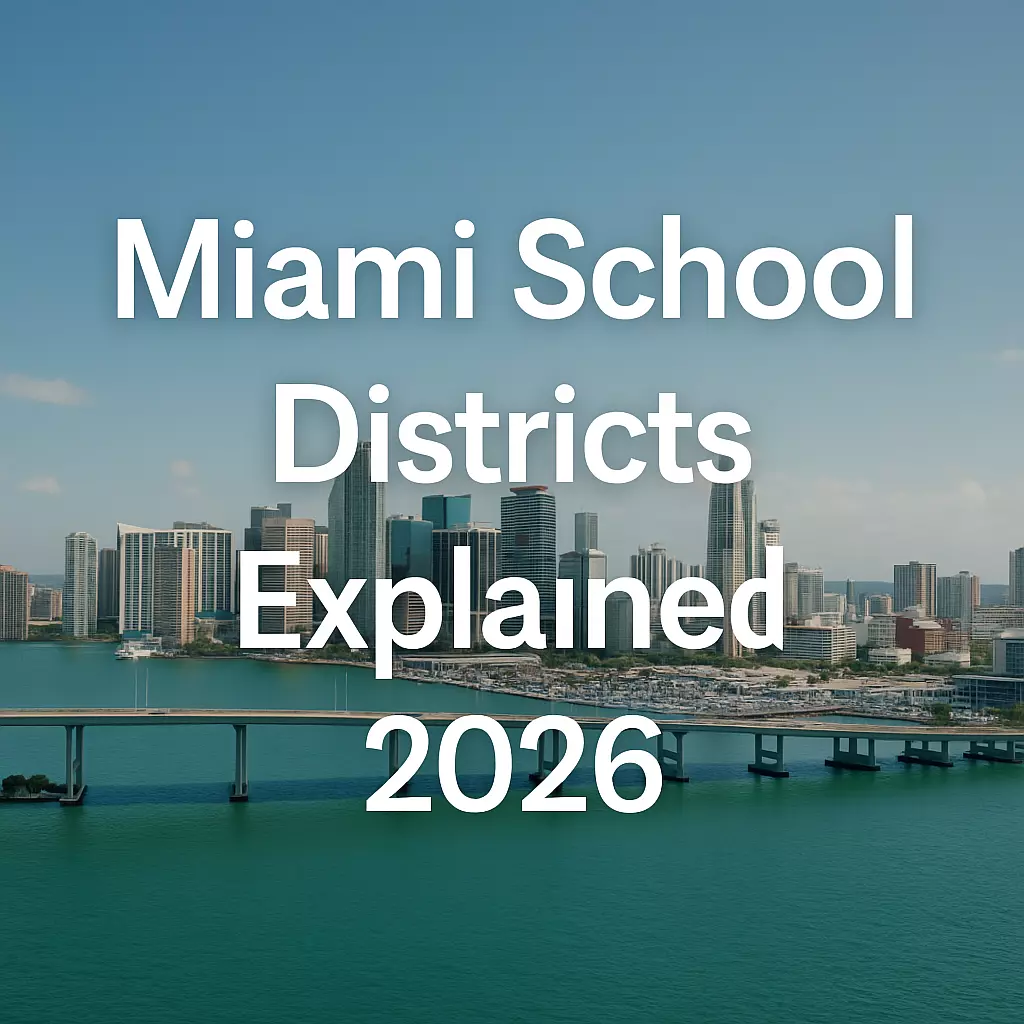
Miami School Districts 2026: What Home‑Buyers & Families Should Know
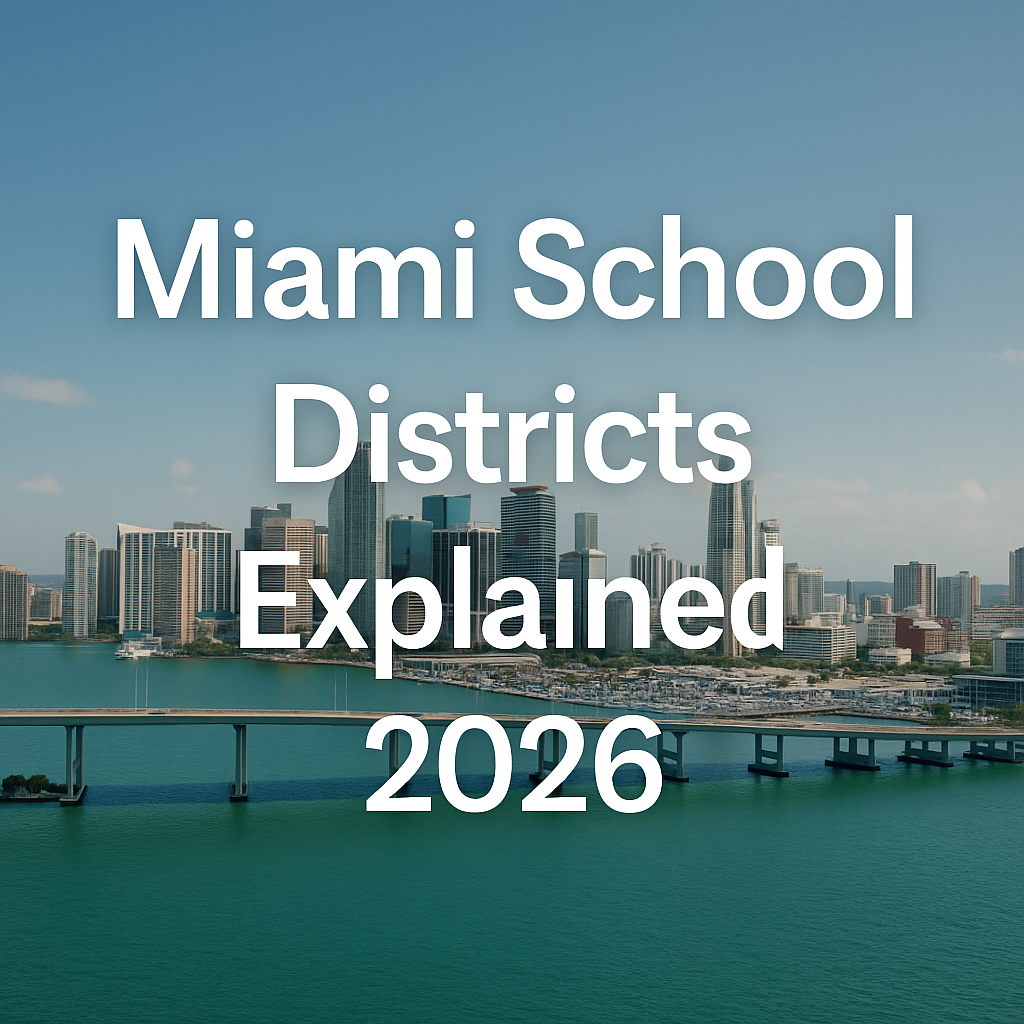
Understand the structure of Miami‑area public school districts in 2026 — including public, charter, magnet, and private options — and get key facts to help families choose the right neighborhood and school for their children.
Introduction
If you’re buying a home or relocating to Miami — whether Miami‑Dade or nearby counties — one of the most important considerations is school districts. Where your home is located can affect which public schools your children attend, as well as the quality of education, commute times, and even resale value. This 2026 guide explains how Miami school districts work, what to know about public vs charter vs magnet vs private schools, and how recent trends may affect your decision when choosing a neighborhood.
(Note: This post is for informational purposes only — always verify school‑zone boundaries and enrollment policies with the district.)
Overview: The Main Public School District — Miami-Dade County Public Schools (M‑DCPS)
-
Miami‑Dade County Public Schools (M‑DCPS) is the primary public school district covering almost all of Miami‑Dade County — it serves pre‑K through 12th grade.
-
As of the 2025–2026 school year, M‑DCPS encompasses around 543 public schools serving over 338,000 students.
-
The district is recognized for quality: in 2024‑2025, a significant portion of its schools earned “Schools of Excellence” designation statewide.
-
M‑DCPS includes various types of schools: traditional neighborhood schools, magnet schools, charter schools, vocational and special‑education centers, giving families a fair amount of flexibility depending on their needs.
Types of Public & Semi‑Public School Options in Miami
| School Type | What It Means / Why It Matters |
|---|---|
| Neighborhood Public Schools | Assigned based on residential address — good for families seeking stability and community‑based schooling. |
| Magnet Schools / Specialty Programs | Offer specialized curricula — arts, STEM, bilingual programs, career‑focused tracks — and may accept students beyond local boundaries. |
| Charter Schools | Publicly funded but operate independently — can offer alternate teaching styles, specialized programs, sometimes lottery-based enrollment. |
| Private Schools | Independent of M‑DCPS — tuition-based; often chosen by families seeking specific religious, pedagogical or extracurricular environments. |
| Vocational / Technical & Special‑Ed Schools | For students seeking trade education or with special needs — part of M‑DCPS’s broader offerings. |
What’s Changing in 2025–2026: Trends & Considerations
-
M‑DCPS recently saw a dip in enrollment: reports show a decrease in student numbers compared with the prior year, prompting boundary reviews and proposed adjustments in some zones.
-
Despite enrollment changes, many schools remain highly rated: the district continues earning statewide recognition for academic performance and quality.
-
For families moving to the area: school‑zone boundaries, magnet or charter applications, and school‑choice lottery deadlines may impact which school a child attends — so it's essential to check current maps and deadlines before purchasing property.
How to Choose a School District When Buying a Home in Miami
1. Confirm the School Zone for the Address
-
When evaluating homes, always check if the property lies within the boundaries of your desired public school. Shape and boundaries can shift when enrollment or demographics change.
-
Boundary changes sometimes occur when enrollment fluctuates — such as the 2025 proposals for reassignment of some schools.
2. Consider School Type & Your Child’s Needs
-
Magnet, charter, or specialty schools may offer curricula or languages (e.g. bilingual or STEM programs) that better suit your child’s interests or academic plans.
-
If stability matters — neighborhood schools may offer consistency over time; if flexibility or specialization matters — charter or magnet could be better.
3. Factor in Demand, Competition & Admission Policies
-
Some magnet or charter schools require applications, lotteries, or additional screening — not guaranteed placement.
-
Private schools come with tuition costs but may offer different class sizes, resources, and educational approaches.
4. Think Long-Term: Resale Value & Family Needs
-
Homes in top‑rated school zones or areas with desirable school options often retain or grow value — appealing to resale buyers with children.
-
As family needs evolve (e.g. more children, different grade levels), proximity to multiple school-type options can offer flexibility.
Tips for Parents & Home‑Buyers in 2026
-
Check the latest school‑zone maps — especially with recent enrollment shifts and boundary proposals happening.
-
Apply early for magnet/charter schools if desired — many have deadlines, lotteries, or limited slots.
-
Visit schools and assess logistics — commute time, transportation options, extracurricular offerings, and class size.
-
Plan for alternatives — charter, private, or specialized schools offer flexibility if neighborhood public schools are full or not ideal.
-
Consider community & resources — beyond academics: safety, extracurriculars, parent support, language programs (important for Miami’s multicultural population).
Conclusion — Education Matters in Miami Real‑Estate Decisions
Understanding how school districts in Miami work — and staying up-to-date with 2025–2026 trends — can make a big difference for families buying a home here. Whether you value high-rated public schools, specialized magnet/charter programs, or private‑school flexibility, matching your housing choice with schooling needs can offer peace of mind, educational stability, and long-term value.
If you’re looking for homes in Miami and want help evaluating school‑district fit, I’m happy to assist — just let me know which grade‑level and priorities are important for your family.
Frequently Asked Questions (FAQ)
Q: What school district is Miami in?
A: Miami is part of the Miami-Dade County Public Schools (M‑DCPS) district, the fourth-largest public school district in the United States.
Q: How do I know which school my child will attend in Miami?
A: School assignments are based on your home address within designated attendance boundaries. You can verify school zoning through the M‑DCPS official boundary maps or by contacting the district directly.
Q: Are charter schools and magnet schools free in Miami?
A: Yes, both charter and magnet schools are tuition-free public options, but they often require an application or lottery process and may have limited availability.
Q: How many types of schools are there in the Miami-Dade school system?
A: M‑DCPS includes traditional public schools, magnet programs, charter schools, vocational/technical centers, and special-education institutions.
Q: Can I choose any school in Miami-Dade County for my child?
A: Generally, students must attend their zoned public school, but school choice programs, such as magnet and charter options, may allow applications outside the assigned zone.
Q: Does school district affect home value in Miami?
A: Yes. Homes located in top-rated school zones often command higher resale value and attract more family buyers, making school district quality an important real estate factor.
Categories
Recent Posts



GET MORE INFORMATION
