
How to Sell a Home with Tenants in Miami 2026 Seller’s Guide
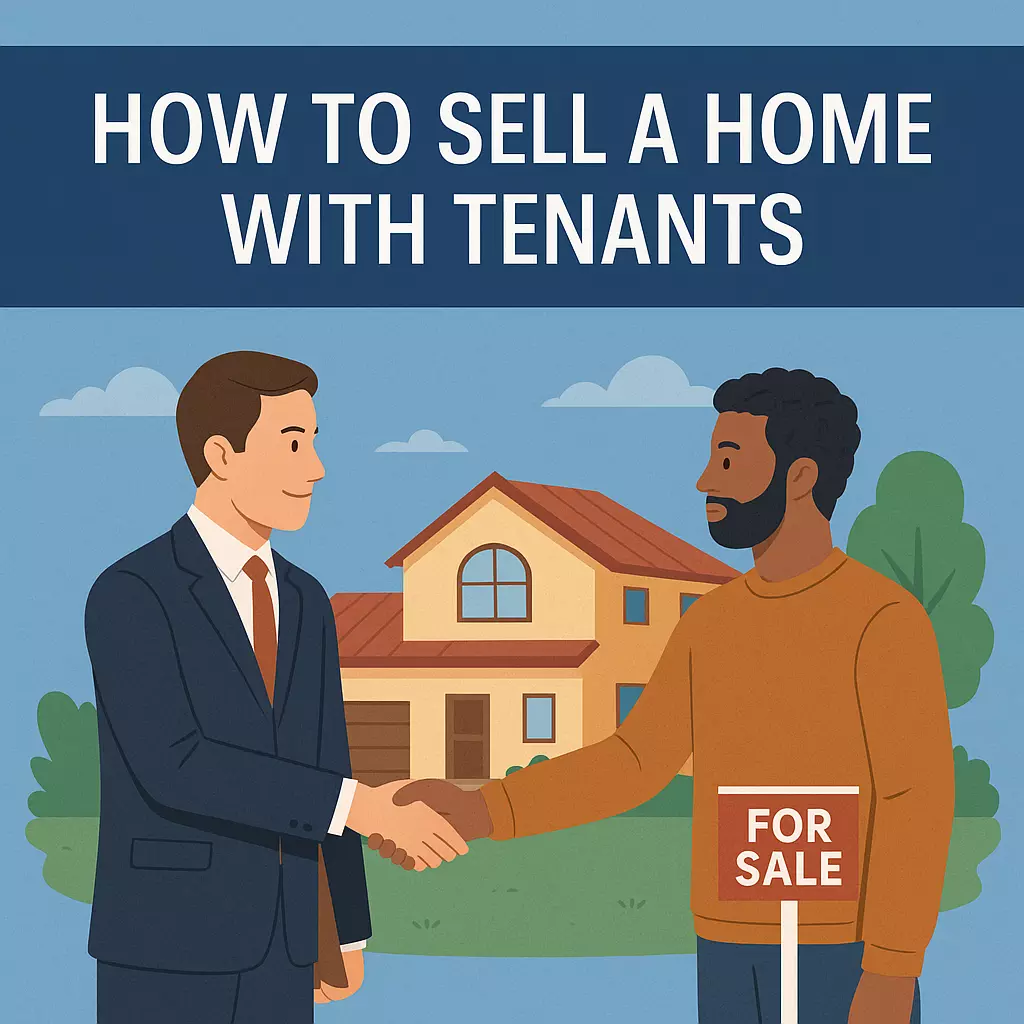
How to Sell a Home with Tenants — Miami Seller’s Guide for 2026
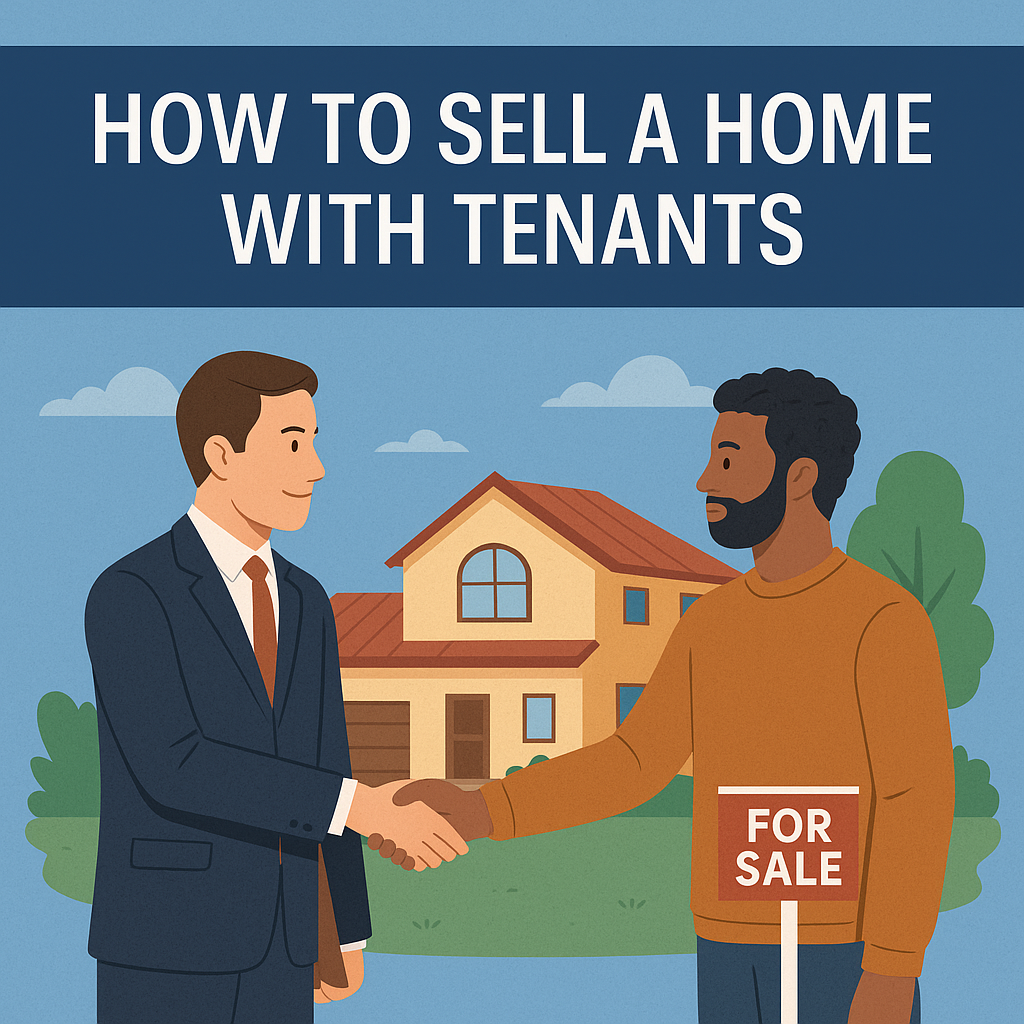
Learn how to sell a home with tenants in Miami in 2026 — what tenant rights you must respect, step‑by‑step process, best practices, disclosure requirements, and how to market a tenant‑occupied property for a smooth sale.
Introduction — Selling a Rented Home in Miami
Selling a home that currently has tenants can be more complex than selling a vacant property — especially in a city like Miami where tenant rights, lease protections, and local market conditions matter. Whether your tenants are long‑term renters, on a month‑to‑month lease, or on a fixed lease term, understanding the process and legal considerations will help you sell efficiently while minimizing conflicts.
In this guide, you’ll learn how to sell a home with tenants in place — including communication strategies, legal obligations, marketing tactics, and how to work with buyers and tenants respectfully.
1. Know Your Tenant’s Lease Status
Before listing:
-
Review the lease agreement — check the lease term, renewal dates, rent amount, and any clauses related to property showings, lease termination, or tenant obligations.
-
Determine whether the lease is month‑to‑month or fixed term — this affects flexibility for showings and closing timelines.
-
Understand notice requirements — Florida law and local ordinances outline specific notice periods you must give tenants before showings.
Knowing lease terms helps you set expectations for timing, showings, and negotiations with both buyers and tenants.
2. Understand Tenant Rights & Legal Requirements
Selling a home with tenants does not automatically end the lease. In most cases:
-
Tenants have rights that remain in effect until their lease expires or is lawfully terminated.
-
You cannot force a tenant to leave without providing proper notice in compliance with law.
-
Tenants must be treated fairly and respectfully during showing requests and negotiations.
It’s important to familiarize yourself with Florida landlord‑tenant law and any Miami‑Dade regulations that affect showing notices, access rights, and tenant protections.
3. Communicate With Your Tenants Early & Transparently
Communication is key. Start by:
-
Notifying tenants that you intend to sell the property — in writing and with appropriate notice.
-
Clearly explaining what the process will look like: showings, open houses, and offer negotiations.
-
Offering incentives (if appropriate) for their cooperation — such as flexible showing windows, rent credits, or small tokens of appreciation.
Open dialogue reduces misunderstandings and increases the likelihood tenants will work with you to present the property well.
4. Make the Property Show‑Ready Even With Occupants
A tenant‑occupied home can still be appealing to buyers if it’s presented well:
-
Encourage tenants to keep the property clean and clutter‑free for scheduled showings.
-
Coordinate showings with minimal disruption — provide advance notice as required.
-
If possible, schedule showings during times tenants are likely to be out (work hours, weekends).
A well‑presented tenant‑occupied home still makes buyers feel comfortable and interested.
5. Decide Whether to Sell Occupied or Negotiate a Vacancy
There are two main paths sellers take:
A. Sell with tenants in place — This appeals to investors or buyers who want immediate rental income. In a market like Miami where investors are active, selling with tenants may attract a niche buyer group.
B. Negotiate tenant relocation — If your target buyer is an owner‑occupant, you may negotiate with tenants to vacate before closing (with proper notice and possible incentives).
Your choice depends on:
-
Buyer pool (investors vs owner‑occupants)
-
Lease expiration timing
-
Local market conditions
-
Tenant cooperation
Each path has pros and cons — choose the one that aligns with your timeline and market strategy.
6. Adjust Your Marketing Strategy
Marketing a tenant‑occupied property may differ slightly from a vacant listing:
-
Be transparent in the listing that the home is tenant‑occupied — investors appreciate clarity.
-
Highlight rental income potential for investor buyers.
-
If possible, provide rental history (income/expenses) to show predictable cash flow.
-
Use professional photos — even staged shots of key areas — to show the home’s full potential.
A tailored marketing strategy helps attract the right buyer for an occupied property.
7. Prepare Buyers & Their Agents
Some buyers may be hesitant to purchase a property with tenants. Help overcome this by:
-
Providing clear tenant information (lease terms, rent amounts, copies of agreements).
-
Making sure showings are well coordinated and respectful.
-
Offering virtual tours or virtual walkthroughs for buyers who may not want in‑person visits until later in the process.
Clear expectations help close deals faster and reduce buyer reluctance.
8. Handle Offers & Negotiations Strategically
When reviewing offers:
-
Consider buyers who are comfortable with the lease situation. Investors often place higher value on occupied properties or may waive certain contingencies.
-
For owner‑occupant buyers, negotiate terms that respect tenant rights and align closing with lease expirations.
-
Discuss timing — closing dates, tenant move‑out dates, and any rent credits — to find win‑win solutions.
Effective negotiation ensures everyone understands how the lease impacts timing and costs.
9. Closing & Tenant Transition
At closing:
-
Ensure all tenant lease documentation, security deposits, and records are accurately transferred to the buyer.
-
Review tenant rights regarding security deposit transfers and final accounting.
-
Provide tenants with written notice of ownership change if required.
A smooth closing respects legal requirements and maintains goodwill with tenants.
Conclusion — Selling a Tenant‑Occupied Home Successfully
Selling a home with tenants in Miami in 2026 is entirely feasible — but it requires preparation, respect for tenant rights, and clear communication. Whether you sell to an investor who wants the property as a rental or negotiate tenant relocation for an owner‑occupant sale, strategic planning will help you close effectively.
📞 Ready to sell your tenant‑occupied property? Contact me HERE for a personalized plan that respects tenants, attracts the right buyers, and gets your Miami home sold with confidence.
FAQ — Selling a Home with Tenants
Q: Can I sell my home while tenants are under lease?
A: Yes. A lease doesn’t automatically end when you sell — tenants continue under their existing agreement unless legally terminated.
Q: Do tenants have to move out before closing?
A: Not necessarily. Options include selling with tenants in place or negotiating a move‑out arrangement if the buyer plans to occupy.
Q: Do I need tenant permission for showings?
A: Yes — provide proper notice and follow local landlord‑tenant rules about access and showings.
Q: Are investor buyers easier to sell to when tenants remain?
A: Often yes — investors value rental income and may be more comfortable taking on an occupied property.
Q: What should I disclose about my tenants to buyers?
A: Provide lease terms, rent amounts, tenant payment history (if available), and any obligations under the lease.
Categories
Recent Posts







GET MORE INFORMATION
