
How to Buy a Duplex in Miami: Step‑by‑Step Guide for Buyers
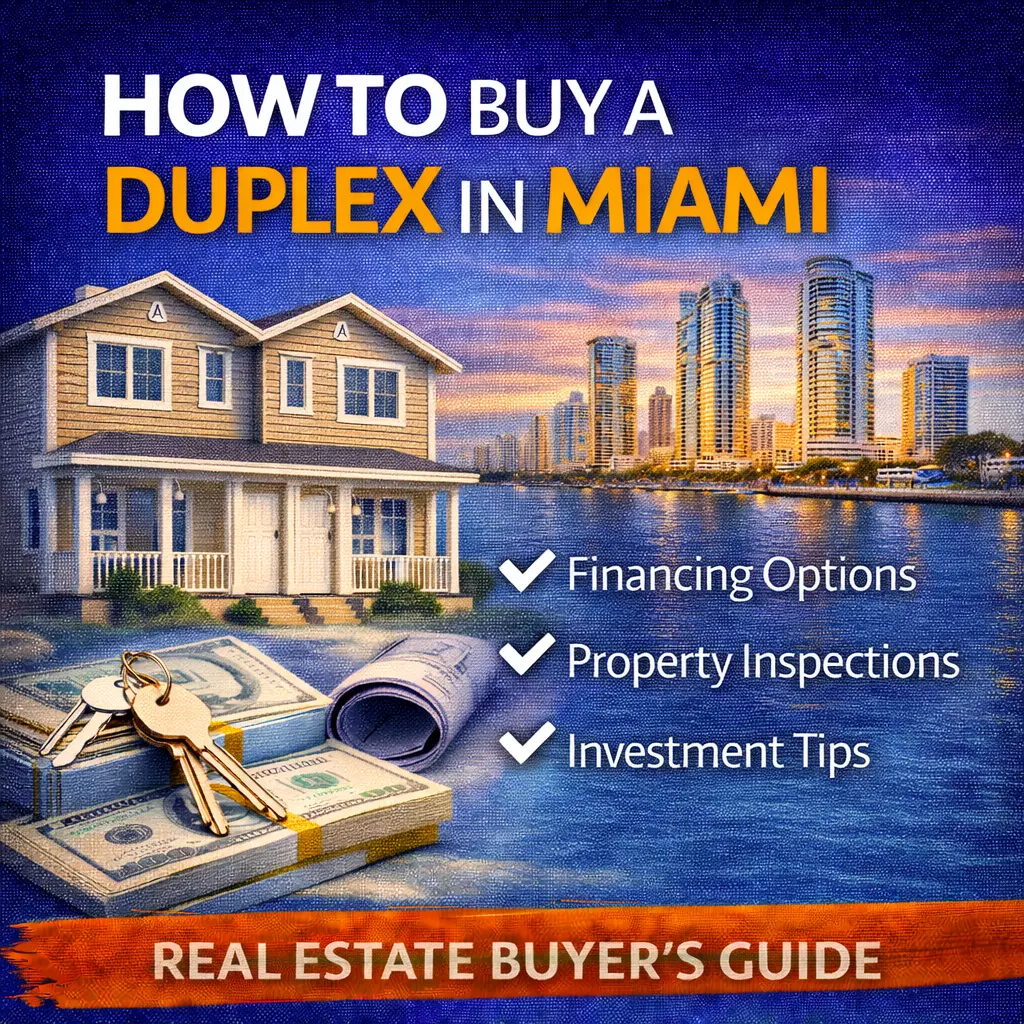
How to Buy a Duplex in Miami

Learn how to buy a duplex in Miami with a step‑by‑step guide covering financing, inspections, negotiation, and investment tips. Discover strategies for finding, evaluating, and purchasing duplex properties.
Introduction: Why Buying a Duplex in Miami Is Smart
Buying a duplex in Miami can be a smart move — whether you’re an investor seeking rental income or a buyer planning to live in one unit while renting out the other. Duplexes offer flexibility, cash flow potential, and a way to build equity faster.
But how do you buy a duplex in Miami successfully? This guide walks you through each key step — from market research and financing to inspections, negotiation, and closing — so you can make confident decisions in this dynamic real estate market.
1. Define Your Goals and Strategy
Before searching for properties, ask yourself:
-
Are you buying for rental income, personal use, or both?
-
How long do you plan to hold the property?
-
What is your target neighborhood in Miami?
Your strategy influences financing options, desired features, and the overall search process.
2. Understand the Miami Duplex Market
Miami’s real estate market varies by neighborhood, property type, and buyer demand. Duplexes in more central areas or close to transit and amenities tend to attract stronger rental demand and may appreciate faster. Evaluate markets based on:
-
Rental rates
-
Vacancy levels
-
Neighborhood growth
-
Local amenities
Doing this upfront helps you target properties with the best potential.
3. Get Pre‑Approved for Financing
Before you start touring duplexes, secure pre‑approval for a mortgage. Lenders typically consider:
-
Your credit score
-
Debt‑to‑income ratio
-
Down payment
-
Investment property criteria (if you plan to rent)
Pre‑approval strengthens your offer and clarifies what price range you can afford.
4. Find a Qualified Real Estate Agent
Work with an agent experienced in duplex or multi‑family properties in Miami. A knowledgeable agent helps you:
-
Identify suitable listings
-
Understand local pricing trends
-
Negotiate offers
-
Navigate contracts and inspections
Local expertise makes a significant difference in competitive markets.
5. Evaluate Potential Duplex Properties
When reviewing properties, consider key factors:
Rental Income Potential
Estimate expected rent for each unit to assess cash flow.
Condition and Maintenance
Check for deferred repairs, roofing condition, HVAC systems, and structural soundness.
Layout and Tenant Appeal
Two well‑designed units with separate entrances and amenities tend to attract quality tenants.
Location and Accessibility
Properties near transit, schools, jobs, and entertainment typically perform better in rental markets.
6. Conduct Thorough Inspections
Once you find a promising duplex, schedule professional inspections:
-
Structural and foundation
-
Electrical systems
-
Plumbing and HVAC
-
Pest inspection
Inspections help you uncover issues that could lead to costly repairs or negotiation opportunities.
7. Analyze Cash Flow and Return on Investment
Before making an offer, evaluate the property’s financials:
Cash Flow Analysis
Gross rental income minus operating expenses equals net cash flow. Positive cash flow ensures the investment supports itself.
Return on Investment (ROI)
Consider both rental income and potential appreciation to estimate your long‑term return.
Reserve Funds
Plan for unexpected costs like vacancies, maintenance, or repairs.
A detailed financial analysis helps you decide whether the property meets your investment goals.
8. Make a Competitive Offer
With financing in place and a strong analysis, you’re ready to make an offer. Your agent will help you structure a proposal that reflects:
-
Market conditions
-
Comparable sales
-
Inspection contingencies
-
Closing timeline
Being prepared helps position your offer competitively.
9. Navigate the Negotiation and Contract
After your offer is accepted, you’ll move into contract phase. Key elements include:
-
Inspection contingency
-
Financing contingency
-
Appraisal contingency
These protect you while the deal progresses toward closing.
10. Closing and Post‑Purchase Considerations
At closing, you’ll finalize financing, transfer ownership, and settle costs. After closing, plan for:
-
Tenant turnover or placement
-
Property management (if applicable)
-
Long‑term maintenance plan
Having a management strategy ensures ongoing success as a duplex owner.
Conclusion: Smart Steps to Buy a Duplex in Miami
Buying a duplex in Miami offers flexibility, rental income potential, and long‑term equity growth. By defining your goals, understanding the market, securing financing, evaluating properties wisely, and conducting thorough inspections, you can make a confident investment that aligns with your financial strategy.
With careful planning and the right professional support, purchasing a duplex in Miami can be a rewarding step toward real estate success.
Frequently Asked Questions (FAQs)
Is buying a duplex a good investment in Miami?
Yes — duplexes can generate rental income while providing equity growth, especially in desirable Miami neighborhoods.
Can I live in one unit and rent the other?
Absolutely. Many buyers use one unit as their residence while renting out the other to offset mortgage costs.
Do lenders treat duplex purchases differently than single‑family homes?
Yes. Lenders may require additional documentation and higher down payments for multi‑family or investment properties.
What should I look for in an inspection for a duplex?
Inspect both units thoroughly for structural integrity, roofing, electrical systems, plumbing, HVAC, and safety issues.
How do I estimate rental income potential?
Evaluate comparable rentals in the area and consider tenant demand, amenities, and seasonal trends to estimate income.
Should I hire a property manager?
If you’re not local or prefer a hands‑off approach, a property manager helps with tenant screening, maintenance, and rent collection.
What is the timeline to close on a duplex?
Closing typically takes 30–60 days, depending on financing, inspections, and contract terms.
Categories
Recent Posts









GET MORE INFORMATION
