
New Construction Buying Guide: What You Must Know Before You Buy
New Construction Buying Guide: What You Must Know Before You Buy
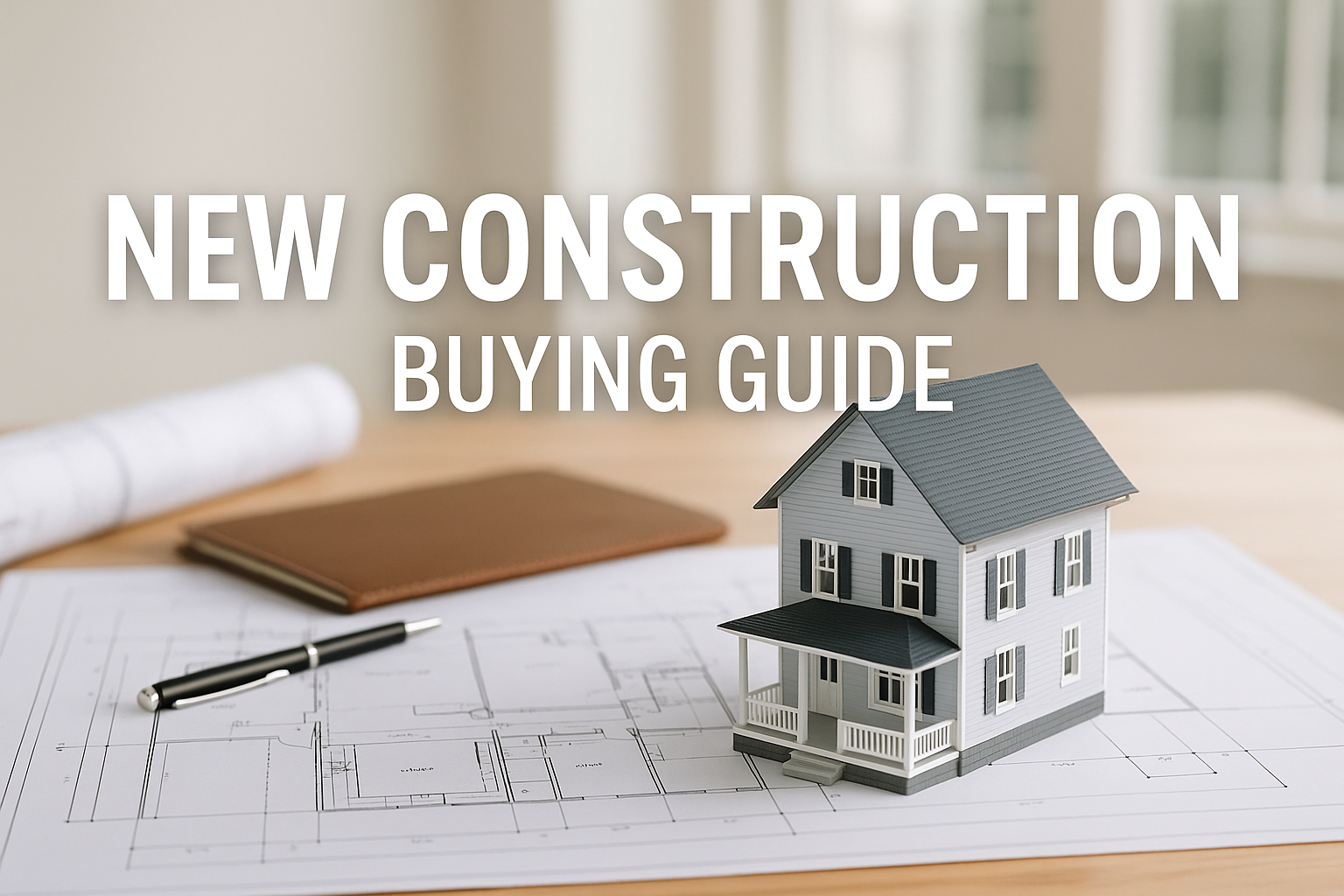
Considering a newly built home? This guide walks you through the advantages, pitfalls, inspection tips, cost considerations and smart strategies to get the best from a new construction purchase — especially for Florida/ coastal markets.
Introduction
Buying a new‑construction home can be an attractive option: fresh finishes, modern layouts, energy‑efficient systems, and often fewer immediate repairs. But new builds also come with unique challenges — from builder quality and timing delays to hidden costs and resale considerations. This guide outlines everything you need to know before committing, helping you make an informed choice.
Why New Construction Homes Appeal — Key Benefits
🏠 Move‑In Ready & Low Maintenance (Initial Years)
With a new build, everything from plumbing, wiring, HVAC, appliances, roof, and structure is brand new — which means fewer repairs or unexpected maintenance in the early years.
Builders often include a warranty on new construction, giving homeowners peace of mind in case defects arise.
🎨 Customization & Modern Design
Many new homes allow buyers to select finishes, layouts, fixtures — from flooring and cabinetry to kitchen layout and lighting — letting you tailor the home to your tastes before you move in.
Designs often reflect modern standards: open floor plans, energy‑efficient appliances/materials, better insulation, up-to-date building codes — improvements over many older homes.
⚡ Energy Efficiency & Lower Utility/Insurance Costs
New builds typically meet latest codes and use energy‑efficient materials — which can translate into lower utility bills compared with older houses.
Because systems are new and up-to-date, insured value and safety may also benefit (less risk of outdated wiring, plumbing, etc.), which sometimes helps with insurance and long‑term maintenance planning.
📈 Potential Long-Term Value & Appreciation
Many buyers are drawn to new constructions because they tend to attract interest from those who prefer modern homes, which keeps resale demand relatively high — especially in growing markets.
What to Watch Out For — Common Pitfalls with New Builds
💰 Higher Up‑Front Cost and Sometimes Higher Monthly Cost
New homes often come at a premium price compared to older homes with similar size/location.
Also, some newer developments may have higher homeowners association (HOA) fees, special assessments, or additional costs for amenities, maintenance, or community infrastructure — something that must be budgeted carefully.
⏳ Construction Delays & Uncertain Delivery Timelines
Even when you sign a contract, new construction timelines can shift due to weather, supply issues, labor, or permitting — meaning move‑in dates may be delayed.
If you’re on a tight schedule or need to relocate soon, this unpredictability can be a major downside.
⚠️ Risk of Builder Quality Variance and Hidden Issues
Just because a home is “new” doesn’t guarantee quality. Workmanship, materials, finishing, and structural standards vary by builder. Without careful inspection, problems may arise later.
In some newer developments, lot sizes may be smaller, landscaping may still be immature, and the surrounding community infrastructure (roads, schools, services) may not yet be fully established.
🏘️ Less Established Neighborhood — Amenities May Develop Later
New subdivisions often lack mature landscaping, established community feel, or nearby amenities (stores, schools, transport) in the first few years. This lack of established infrastructure can affect convenience and lifestyle in early years.
Smart Steps & Checklist if You Consider Buying New Construction
Before you commit, use this checklist to ensure you cover all bases:
-
Research the builder’s reputation — past projects, reviews, quality, construction standards, warranties, build‑out timelines.
-
Get everything in writing — warranty terms, timelines, deposit/finance structure, what happens if delivery is delayed, inspection allowances, etc.
-
Budget realistically — include base price PLUS upgrades, lot premiums, HOA or community fees, possible maintenance, insurance, and utilities.
-
Inspect before final acceptance — even new builds should be inspected: structure, plumbing, electrical, finishing, water drainage, local flood/insurance considerations (especially in coastal areas).
-
Consider resale & long‑term value — think about surrounding development, neighborhood growth prospects, future infrastructure, and comparable resale values.
-
Check community amenities & infrastructure — roads, utilities, access to services (schools, shopping, transport), especially if neighborhood is still under development.
-
Be prepared for delays or surprises — new construction can come with shifting timelines; ensure you have flexible plans.
Who New Construction Homes Are Best For — and Who Should Think Twice
✅ Good Fit If You:
-
Want modern design, efficiency, and low maintenance for early years.
-
Value customization and building a home to your taste from the start.
-
Are willing to pay a premium for updated systems and safety/energy standards.
-
Plan to stay long-term, giving time for community to mature and values to appreciate.
⚠️ Might Reconsider If You:
-
Are budget‑conscious or sensitive to monthly/ upfront cost spikes.
-
Need to move quickly or have a fixed timeline — build delays could be problematic.
-
Prefer mature neighborhoods with established amenities, landscaping, and tight-knit community feel.
-
Are risk-averse regarding potential unknowns in new developments.
Conclusion — New Construction Means Opportunity, but Do Your Homework
New construction homes offer an attractive blend of modern convenience, efficiency, and customization — and many buyers find them a great fit for long-term living or family growth. But they come with trade‑offs: potentially higher costs, build‑out timelines, and uncertainty about surrounding community development.
If you approach the decision with careful budgeting, thorough inspection, builder vetting, and realistic expectations — new construction can deliver a high-quality, low‑maintenance home for years to come. Just remember: the “perfect home” on paper doesn’t guarantee the perfect outcome unless you do your homework.
FAQ — New Construction Buying Guide
Q: What makes buying new construction different from resale homes?
A: New construction means everything is brand new — from foundation to fixtures — reducing early maintenance and giving opportunities for customization. However, it also often carries higher up-front cost, uncertainty (timelines, neighborhood build-out), and possible higher fees or assessments.
Q: Are new construction homes worth the extra premium?
A: They can be — if you value energy efficiency, modern layout, safety, warranties, and low initial maintenance. Worth depends on your budget, long-term plans, and tolerance for potential delays or extra fees.
Q: Should I get a home inspection on a new-build home?
A: Absolutely. Even new homes can have construction defects or finishing issues. A thorough inspection ensures problems are addressed before closing and under warranty.
Q: What additional costs come with new construction homes?
A: Beyond sale price: lot premiums, optional upgrades, HOA or community fees, potential special assessments, landscaping or landscaping plans, property taxes, and utilities. Always budget for these.
Q: Is resale value typically good for new construction homes?
A: It can be, especially if located in a growing area, community infrastructure develops, and the builder maintained good construction standards. But resale value depends heavily on location, build‑quality, local market demand, and community growth.
Categories
Recent Posts









GET MORE INFORMATION
