
What Is FIRPTA Miami Foreign Seller Tax Guide
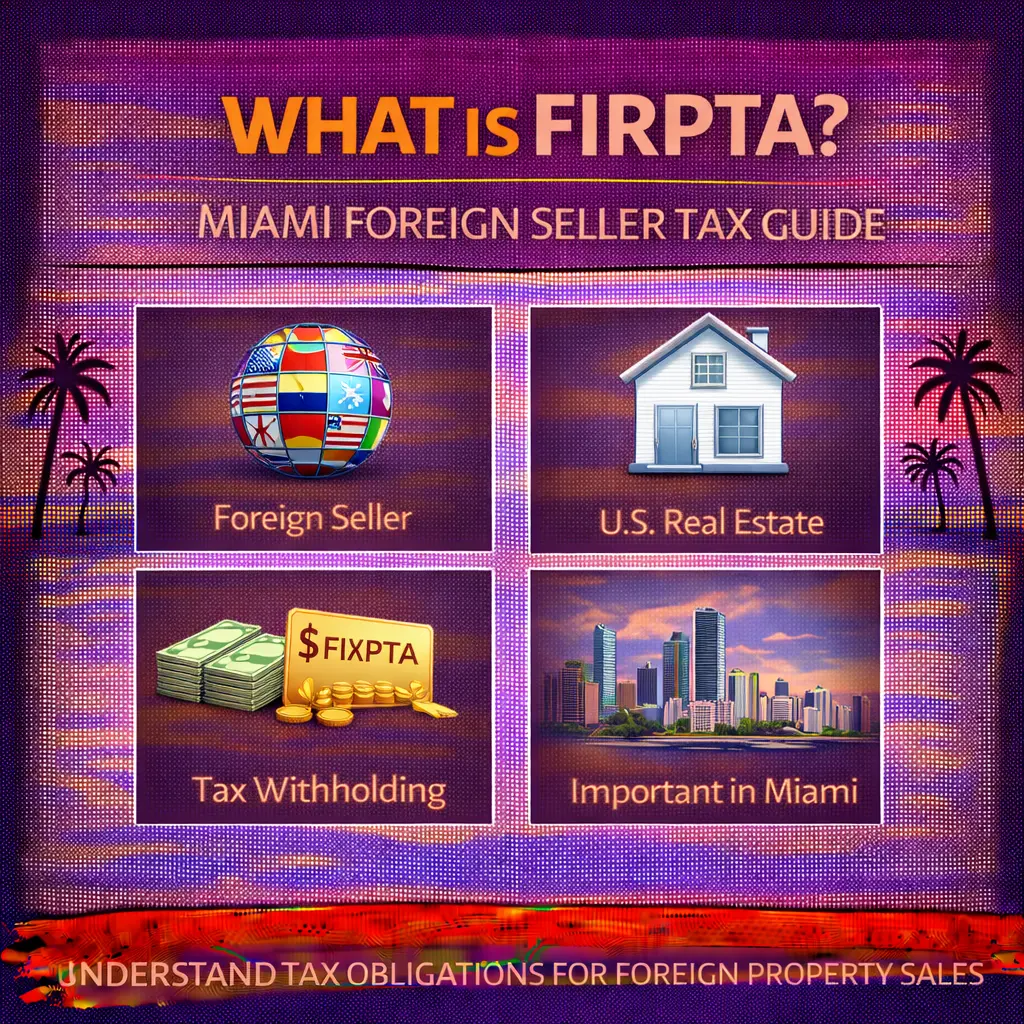
What Is FIRPTA?
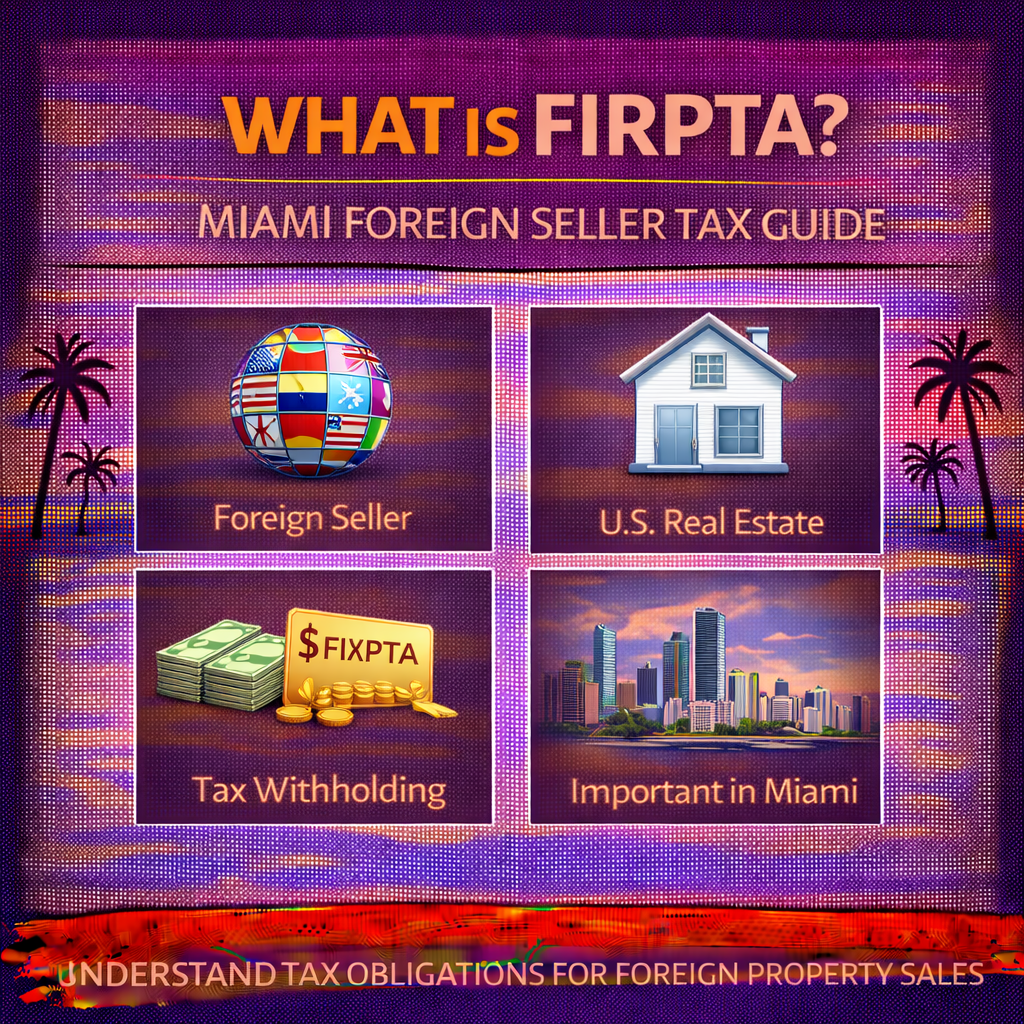
Learn what FIRPTA is, why it matters for foreign sellers in Miami real estate, how it works, and what buyers and sellers should know when dealing with properties in areas like Brickell, Miami Beach, Coral Gables, and Coconut Grove.
Introduction: FIRPTA and Miami Real Estate
If you’re participating in Miami’s real estate market — whether selling a condo in Brickell, a beachfront property in Miami Beach, or a historic home in Coral Gables — and you’re a foreign person or entity, you may encounter a tax withholding rule called FIRPTA. Understanding it helps you avoid surprises at closing and stay compliant.
What Is FIRPTA?
FIRPTA stands for the Foreign Investment in Real Property Tax Act. It’s a U.S. tax rule requiring a portion of proceeds from the sale of U.S. real estate owned by a non‑U.S. resident (or foreign entity) to be withheld and remitted to the IRS.
In simple terms: when a foreign seller sells real estate in Miami (like a condo in Sunny Isles Beach), the buyer or closing agent may be required to withhold a percentage of the sales price for tax purposes.
Why Does FIRPTA Exist?
FIRPTA exists to ensure that the IRS can collect tax on gains made by foreign investors when they sell U.S. real property. Without withholding, the IRS would risk not being able to collect capital gains tax owed by foreign sellers.
How FIRPTA Works in Practice
1. Real Estate Sale Transaction
When a foreign owner sells property in Miami — a Brickell high‑rise, for example — the buyer typically withholds a percentage of the gross sale at closing.
2. Withholding Amount
The standard FIRPTA withholding is 15% of the total sales price (not just the gain). This isn’t the tax itself, but a prepayment toward the foreign seller’s U.S. tax liability.
3. Reporting and Payment to IRS
The withheld money is remitted to the IRS by the closing agent on behalf of the buyer. The seller then files a U.S. tax return to report the actual gain or loss.
4. Refund or Additional Tax
After filing, if the actual tax owed is less than the withholding, the seller may receive a refund. If more tax is owed, the seller must pay the difference.
Who Is Considered a ‘Foreign Person’?
Under FIRPTA, a foreign seller can be:
-
Non‑resident individuals
-
Foreign corporations
-
Foreign estates or trusts
-
Non‑U.S. entities (LLCs, partnerships) that are foreign‑owned
Citizens and U.S. residents generally aren’t subject to FIRPTA.
Strategies for Buyers & Sellers in Miami
For Buyers
If you’re purchasing a property from a foreign owner in areas like Coconut Grove or Key Biscayne, be prepared to handle FIRPTA withholding at closing if applicable.
For Sellers
Foreign sellers should:
-
Consult a tax professional prior to listing
-
Understand estimated tax obligations
-
Plan for withholding at closing
Conclusion: FIRPTA Explained for Miami Property
FIRPTA is a critical part of selling U.S. real estate as a foreign person. In Miami’s competitive market — from Brickell to Miami Beach — understanding FIRPTA helps foreign sellers and buyers handle tax obligations with confidence and avoid last‑minute surprises.
Frequently Asked Questions (FAQs)
Does FIRPTA apply to all real estate transactions?
It applies when the seller is a foreign person or entity — not U.S. residents.
Is FIRPTA the final tax?
No — it’s a withholding that goes toward the seller’s tax obligation; the final tax is determined when the seller files a U.S. tax return.
Can the withholding be reduced?
Yes — under certain circumstances, sellers can apply for reduced withholding through IRS procedures.
Categories
Recent Posts








GET MORE INFORMATION
