
Moving to Miami: How to Find the Right Neighborhood and Home in 2026
Moving to Miami: How to Find the Right Neighborhood and Home in 2026
Planning a move to Miami in 2026? Explore how to pick the right neighborhood, compare top Miami‑Dade areas, account for lifestyle, schools, budget, and make your move smooth and successful.
Introduction
Miami continues to draw new residents from across the U.S. and the world — attracted by its tropical climate, vibrant culture, and dynamic economy. But with so many neighborhoods, each offering different vibes, amenities, and price ranges, finding the “right” place to call home can feel overwhelming. This guide helps newcomers choose a Miami‑Dade neighborhood and home that align with their lifestyle, budget, and long‑term goals — whether you’re moving solo, with family, or investing for the future.
What to Consider Before Choosing a Miami Neighborhood
Before browsing listings or touring homes, get clear on what matters most to you:
-
Lifestyle preferences — Do you value nightlife and walkability? Or peace, greenery, and family‑friendly surroundings?
-
Budget & property type — Are you looking for a condo, townhouse, or single‑family home? What’s your budget range?
-
Commute, amenities, and convenience — Consider proximity to work, schools, public transit, grocery stores, dining, and recreation.
-
Future goals — Are you buying to live long-term, to rent, or as an investment? Think about resale value, rental demand, and potential appreciation.
-
Hidden costs & practicalities — For condos: HOA fees, building regulations; for all homes: insurance, maintenance, flood considerations (especially relevant in Miami).
Having clarity on these points will help narrow down neighborhoods that match your needs — so you don't get distracted by pretty photos alone.
Top Neighborhood Types for 2026 Movers
Miami‑Dade offers a wide variety of neighborhoods: from leafy, suburban‑style enclaves to trendy urban centers. Here are several neighborhood archetypes to consider, along with specific communities that stand out in 2025–2026.
Upscale & Established — Luxury, Stability, Long-Term Value
Coral Gables

-
Coral Gables is known for Mediterranean‑style architecture, tree-lined boulevards, and a refined, upscale vibe — perfect for families or anyone seeking long-term stability.
-
This area offers a mix of historic homes, modern estates, and upscale gated communities; many homes are well-suited for those planning to stay long‑term.
-
Great for families and those valuing privacy, elegance, and strong neighborhood character. Schools, community infrastructure and consistent property values make it a top pick for upscale suburban living.
Coconut Grove

-
Coconut Grove blends historic charm with lush greenery, waterfront access, and a relaxed, community‑oriented vibe — appealing to families, retirees, or anyone seeking a quieter pace.
-
The neighborhood offers a mix: waterfront estates, townhouses, condos — giving flexibility depending on your budget and lifestyle.
-
Great for those valuing parks, green space, walkability, and a more "residential-meets-resort" lifestyle.
These neighborhoods excel if you prioritize stability, long-term value, and a balanced lifestyle over ultra-urban hustle.
Urban & Vibrant — For Young Professionals, Singles, Investors
Brickell

-
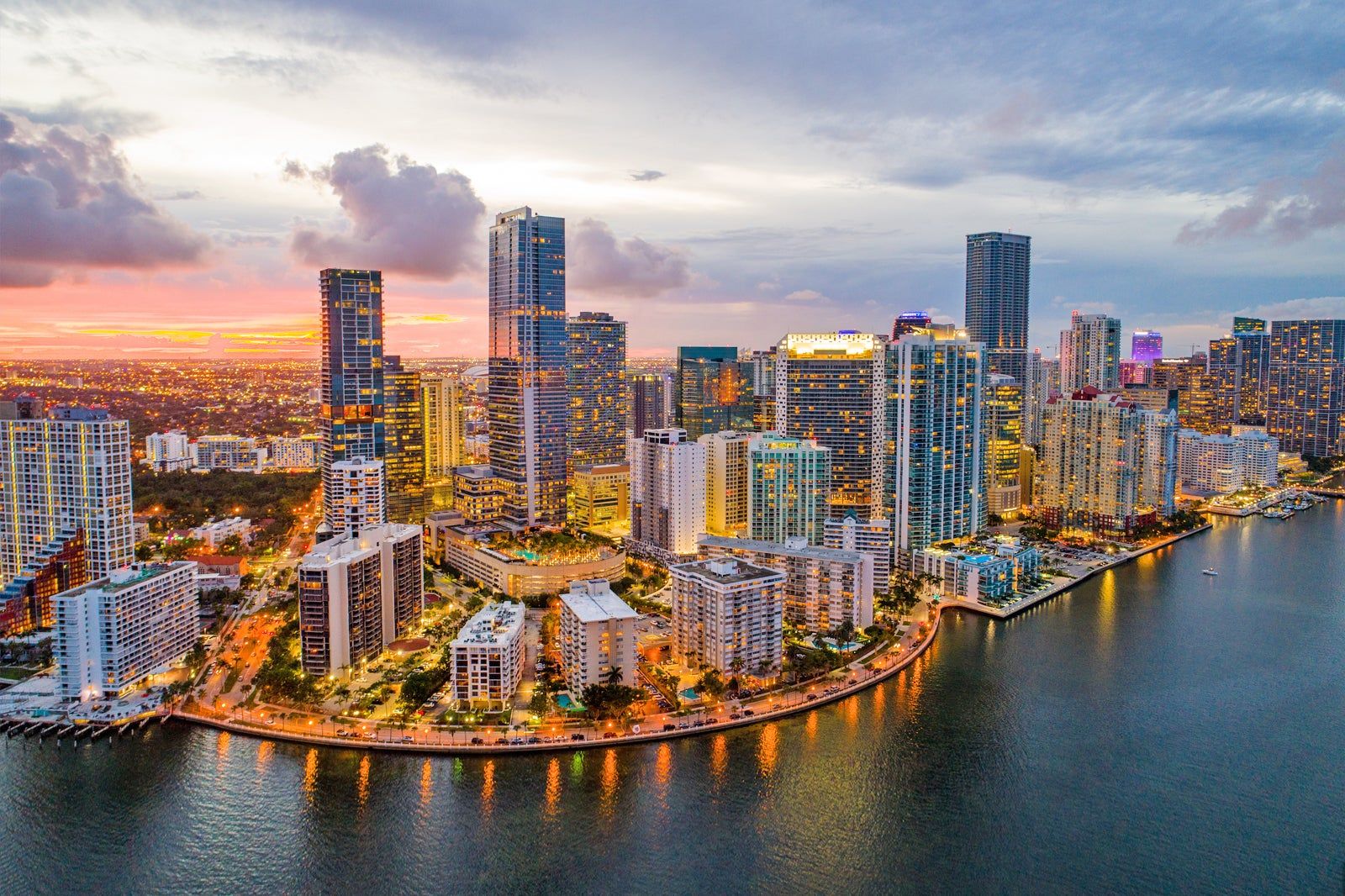
Brickell — Miami’s financial district — is known for luxurious condos, walkability, nightlife, high‑end dining, and nightlife: ideal for professionals, singles, or couples wanting a dynamic urban lifestyle.
-
Living in Brickell offers convenience: easy access to dining, shopping, transit, work, and social life — a good fit for those prioritizing convenience and energetic city living.
-
Also interesting for investors — high-rise condos tend to attract renters, professionals, and international buyers seeking a vibrant, walkable lifestyle.
Edgewater

-
Edgewater offers bayfront living, waterfront condo developments, and a residential feel — a blend of tranquility and access to urban amenities.
-
Great for newcomers seeking access to downtown, nightlife, arts districts, and city convenience — without the intensity or costs of core downtown.
-
It’s a popular choice for couples, young professionals, and investors who value both lifestyle and long-term growth potential.
These neighborhoods are appealing if you want excitement, convenience, rental demand potential, or proximity to work and social amenities.
Budget‑Friendly or Transitional — For First-Time Buyers or Value‑Seekers
If your budget is more modest — or you're open to compromise for value — consider neighborhoods with more affordable housing or transitional markets. While they may not have all the amenities of luxury districts, they offer opportunity for equity growth or lower entry-costs.
-
Some outskirts or less-central areas may offer better value, though trade‑offs could include longer commutes or fewer luxury amenities. Local neighborhood guides note that not every “hot” neighborhood will match every budget or lifestyle.
-
If you're open-minded, you may find hidden gems — whether for primary residence, rental income, or long-term investment. But always factor in potential extra costs: commute, maintenance, insurance, and resale considerations.
How to Search & Evaluate Homes — A Step‑by‑Step Guide for Newcomers
Here’s a practical checklist for finding the right home when moving to Miami:
-
Define your must‑haves — e.g., number of bedrooms, property type (condo vs house), budget, amenities (parking, yard, waterfront, etc.).
-
Shortlist neighborhoods based on your lifestyle and priorities (use the neighborhood types above).
-
Visit neighborhoods in person (at different times) — check traffic, noise, walkability, vibe, and commute time. First‑hand feel often differs a lot from photos.
-
Research long-term factors — resale value, flood risk, insurance costs, HOA/condo fees, maintenance and upkeep. Especially important in Miami’s climate and regulatory context.
-
Get pre‑approved for financing (if buying) — this gives clarity on budget and strengthens your offer as a buyer.
-
Work with a local, experienced real estate professional — a good agent can help navigate forms, local regulations, hidden costs, and neighborhood-specific traps or perks.
What Type of Buyer/Resident Fits Which Neighborhood — Match Lifestyles to Areas
Here’s a quick “buyer profile → neighborhood type” match guide:
-
Families / long‑term homeowners → Coral Gables, Coconut Grove — nice schools, community feel, stability.
-
Young professionals / singles → Brickell, Edgewater (or similar urban neighborhoods) — condos, nightlife, transit, convenience.
-
Couples / small households wanting balance → Edgewater, Coconut Grove — mix of serenity and city access.
-
Value‑seekers or first-time buyers/investors → Less expensive neighborhoods or transitional areas — but factor in commute, amenities, and long-term growth potential.
-
Investors or rental‑focused buyers → Urban neighborhoods (condos) or emerging markets near downtown/arts districts — better rental demand and flexibility.
Conclusion
Moving to Miami means more than picking a house — it’s about selecting a neighborhood that fits your lifestyle, goals, and budget. By clarifying what matters most to you (family vs nightlife, long-term investment vs convenience, condo vs house), researching neighborhoods carefully, and evaluating practical realities (costs, commute, resale value), you’ll be in a much better position to find a home you love in 2026.
If you’d like help — whether you want personalized recommendations, curating listings that match your needs, or guidance on market timing — feel free to reach out via HERE. I’d be happy to help make your move to Miami smooth and successful.
Frequently Asked Questions About Moving to Miami in 2026
Q: What are the best neighborhoods to live in Miami for families in 2026?
A: Top Miami neighborhoods for families in 2026 include Coral Gables for its excellent schools and safety, and Coconut Grove for its community feel and green spaces.
Q: Where should young professionals move in Miami?
A: Brickell and Edgewater are ideal for young professionals due to their high-rise condos, walkability, nightlife, and proximity to business centers.
Q: Is it expensive to move to Miami in 2026?
A: While Miami's real estate market remains competitive, there are still value-forward neighborhoods and condos. Costs depend on location, property type, and insurance rates.
Q: Should I rent or buy a home in Miami if I'm relocating?
A: If you're unsure about long-term plans, renting may offer flexibility. However, with the 2026 market stabilizing, buying could be a strategic investment if you’re planning to stay 3+ years.
Q: What’s the safest area to live in Miami?
A: Coral Gables, Coconut Grove, and parts of Key Biscayne are frequently ranked among Miami’s safest and most family-friendly neighborhoods.
Categories
Recent Posts








GET MORE INFORMATION
