
Miami Waterfront Home Buying Guide
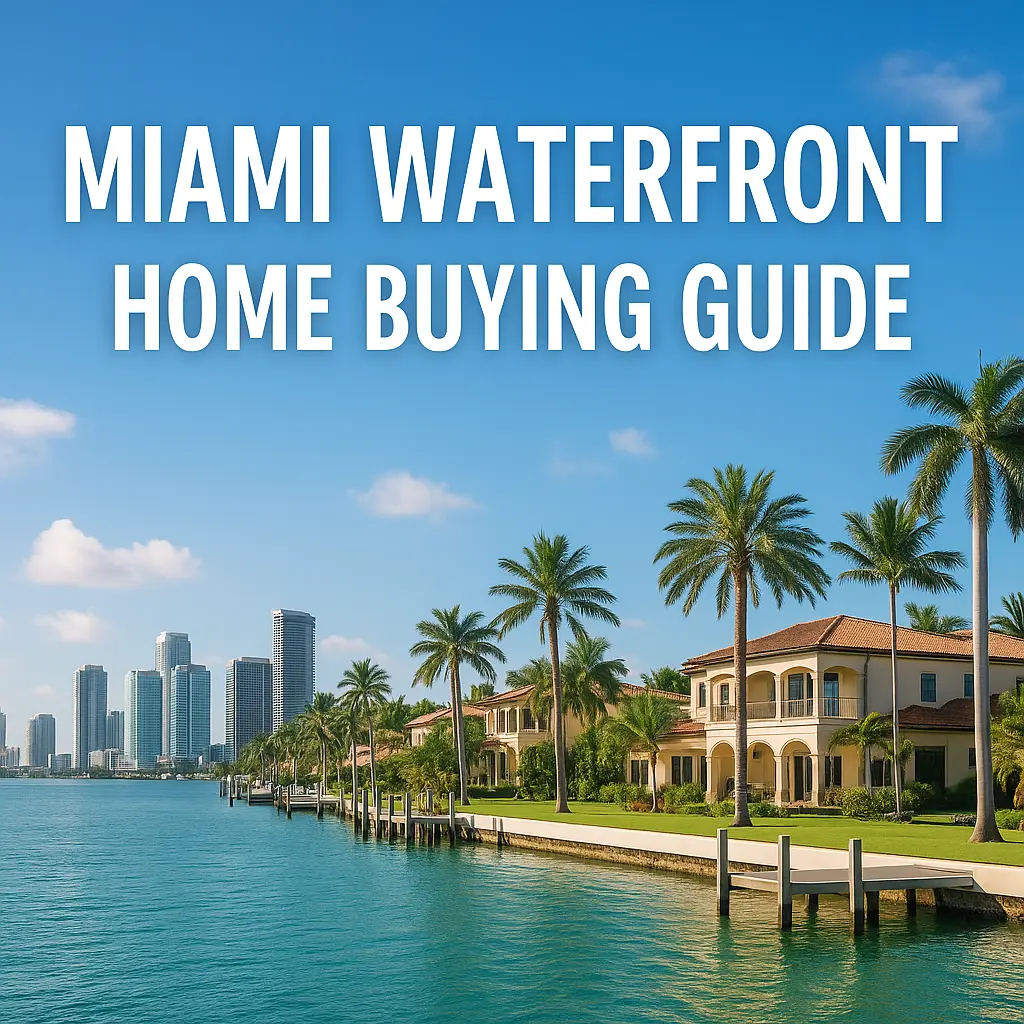
Miami Waterfront Home Buying Guide
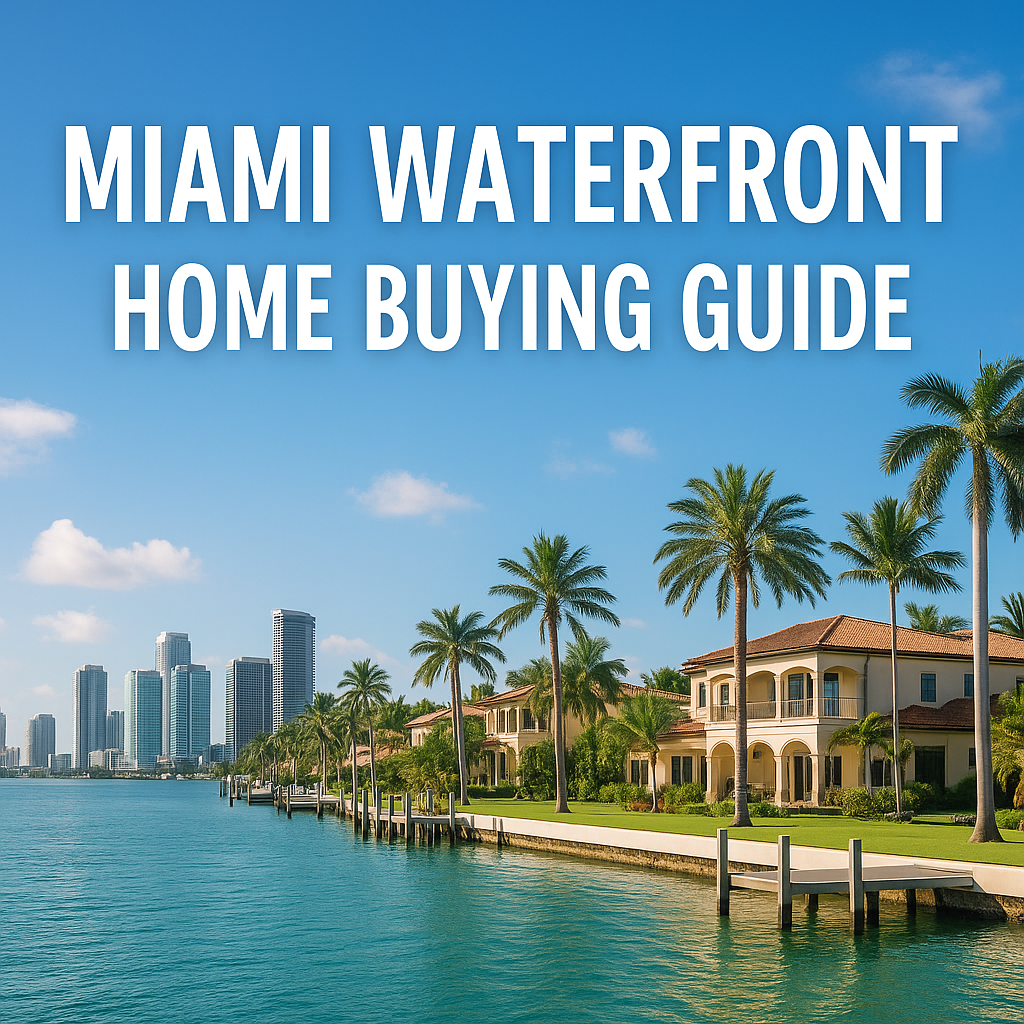
Thinking about buying a waterfront home in Miami? This guide covers key considerations — flood risk & insurance, maintenance, resale value, financing, and practical tips to help you choose the right waterfront property confidently.
Why Waterfront Homes Are Popular — And What Makes Them Special 🏝️
Living on the water has undeniable appeal: ocean breezes, scenic views, easy access to boating or water activities, and that coveted “live‑in‑paradise” lifestyle.
Waterfront properties in Miami — whether a beachfront condo, canal‑front house, or bay‑view home — combine lifestyle perks with high desirability. This scarcity and demand often translate into strong long‑term value and premium resale potential.
But buying waterfront isn’t the same as buying inland — it comes with unique risks, costs, and responsibilities. This guide walks you through what to check before you sign on the dotted line.
Key Considerations Before Buying Waterfront in Miami
🌊 Flood Risk & Flood Insurance — Non‑Negotiable
-
Many waterfront properties fall into zones that are designated as flood risk areas by flood‑zone maps. This directly affects insurance requirements, premiums, and long‑term risk.
-
Standard homeowners insurance rarely covers flood damage — you’ll likely need a separate flood insurance policy. Budget accordingly.
-
Even if a property isn’t in the highest‑risk zone now, rising sea levels, hurricanes, or updated flood maps may change risk levels — choose a property with good elevation, or consider flood mitigation measures.
🏗️ Structural Integrity, Building Materials & Maintenance Costs
-
Waterfront exposure — salt air, humidity, storms — accelerates wear and tear on homes. Structural integrity, age of the building, and quality of materials (impact windows, reinforced structures, corrosion‑resistant materials) matter more than inland for longevity.
-
Maintenance is ongoing: seawall or dock upkeep, exterior finishes, flood preventive measures, storm readiness — plan for higher recurring costs than a typical home.
💵 Higher Upfront & Ongoing Costs — Insurance, Maintenance, Fees
-
Waterfront premium: Because of higher risk (flood, storm, erosion), both insurance (homeowners + flood + wind) and maintenance tend to be more expensive.
-
HOAs or condo associations (if buying a waterfront condo) — check their financials, reserve funds, history of special assessments. Some waterfront condos may have high association fees.
-
Be extra cautious about disclosure and building reports (age, structural integrity, history of damages or flooding). Newer laws require thorough disclosure of flood history for Florida properties.
📈 Resale Potential & Demand — Waterfront Is Still Premium Real Estate
-
Waterfront homes remain in high demand due to lifestyle and location perks. They often maintain or appreciate value more reliably than non‑waterfront homes in comparable areas.
-
Short‑term rental / vacation‑rental potential — waterfront homes often attract renters willing to pay a premium, which can help offset costs if you plan on renting periodically.
-
Limited inventory — because of scarcity, you may face competition; strong resale demand can benefit long-term appreciation.
🛟 Lifestyle & Safety — Balancing Dream with Practicality
-
Waterfront living in Miami means exposure to tropical weather, hurricanes, storm surges — check that the property is built to modern standards for wind resistance, elevated foundations, water‑resistant materials, proper drainage.
-
Evaluate your lifestyle needs: access to essentials (schools, hospitals, supermarkets), commute, accessibility to major roads, and local infrastructure (infrastructure stress after storms can impact living conditions and insurance rates). Waterfront doesn’t always mean remote — check amenities.
-
Understand that waterfront lifestyle comes with trade‑offs: privacy vs public access (some waterfront properties don’t own all water frontage), maintenance vs convenience, and cost vs lifestyle benefits.
Checklist: What to Do Before You Buy a Waterfront Property in Miami
| ✅ Task | 🔍 Why It Matters |
|---|---|
| Check flood‑zone designation (FEMA maps) and ask for elevation certificate | Determines flood risk & insurance cost |
| Obtain detailed inspection — structure, seawall/dock (if any), age, wind‑proofing | Waterfront homes face harsher climate impacts |
| Get insurance quotes including flood + windstorm, not just standard homeowners coverage | Full protection from storm & flood damage is essential |
| Review HOA or condo association fee history / reserve funds (if condo) | Waterfront condos often have high maintenance budgets & special assessments |
| Investigate local building codes & flood mitigation regulations | Ensures future-proofing, staying compliant with laws |
| Consider resale & rental potential, demand, and long‑term value | Waterfront homes remain popular — impacts investment returns |
| Factor in ongoing costs (maintenance, insurance, possible flood mitigation) in budget | Must reflect real cost over time, not just purchase price |
Who Should Consider Buying Waterfront — And Who Should Think Twice
Good Candidates:
-
Buyers who value lifestyle, views, water‑access — willing to budget for premium insurance and maintenance.
-
People looking for long-term residence or vacation/rental investment with potential for higher returns.
-
Buyers who vet properties thoroughly — flood zones, structure, insurance, maintenance history — and have financial buffer for ongoing costs & worst‑case scenarios.
Not Ideal — If You:
-
Have tight budget constraints or limited income — additional insurance and maintenance costs may stretch budget too much.
-
Plan to stay short‑term or aren’t ready for long-term upkeep and weather risks.
-
Prefer minimal maintenance and budget‑predictability — waterfront costs are variable and higher than standard homes.
Conclusion — Waterfront Living in Miami Is a Dream With Responsibilities
Owning a waterfront home in Miami can deliver an incredible lifestyle — beautiful views, easy water access, strong investment potential, and the unique peace and pleasure of living on the water.
But it’s not just a purchase — it’s a commitment. Higher insurance premiums, maintenance, storm and flood risk, and ongoing costs make it crucial to do your homework.
If you approach it with realistic expectations, thorough inspections, full budgeting, and long‑term planning — waterfront living can be a rewarding investment and lifestyle.
Bottom line: Waterfront luxury is worth it — but only when you’re fully prepared.
FAQ — Miami Waterfront Home Buying
Q: Is flood insurance required for waterfront homes in Miami?
A: Yes. Most waterfront homes in Miami fall within flood zones where flood insurance is mandatory, especially if you're financing through a mortgage. Even if not required, it's highly recommended.
Q: How much does flood insurance cost in Miami?
A: Rates vary depending on the property's flood zone, elevation, and location, but premiums can range from $1,000 to over $4,000 per year. Get a quote before closing.
Q: Are waterfront homes a good investment in Miami?
A: Yes, if carefully chosen. Miami waterfront homes generally retain or increase in value due to high demand, limited supply, and location appeal. However, long-term maintenance and insurance costs should be factored in.
Q: What should I inspect when buying a waterfront home?
A: Look for seawall or dock condition, storm-resistant construction, roof age, signs of saltwater corrosion, proper drainage, and elevation. Always get a thorough home inspection.
Q: Are there extra fees with waterfront condos?
A: Yes. Waterfront condos often have higher HOA fees due to maintenance of seawalls, docks, and flood protection systems. Always check the association’s reserves and history of special assessments.
Q: Can I rent out my waterfront home seasonally in Miami?
A: Often yes, but it depends on the HOA or local zoning laws. Miami waterfront homes are popular for short-term rentals, but restrictions vary, so check before buying.
Q: Is hurricane protection required for waterfront homes?
A: It’s not always required but is highly recommended. Impact windows, shutters, and reinforced roofs reduce insurance costs and protect the home during storms.
Categories
Recent Posts








GET MORE INFORMATION
