
Miami Migration Trends: What’s Driving Moves in 2026
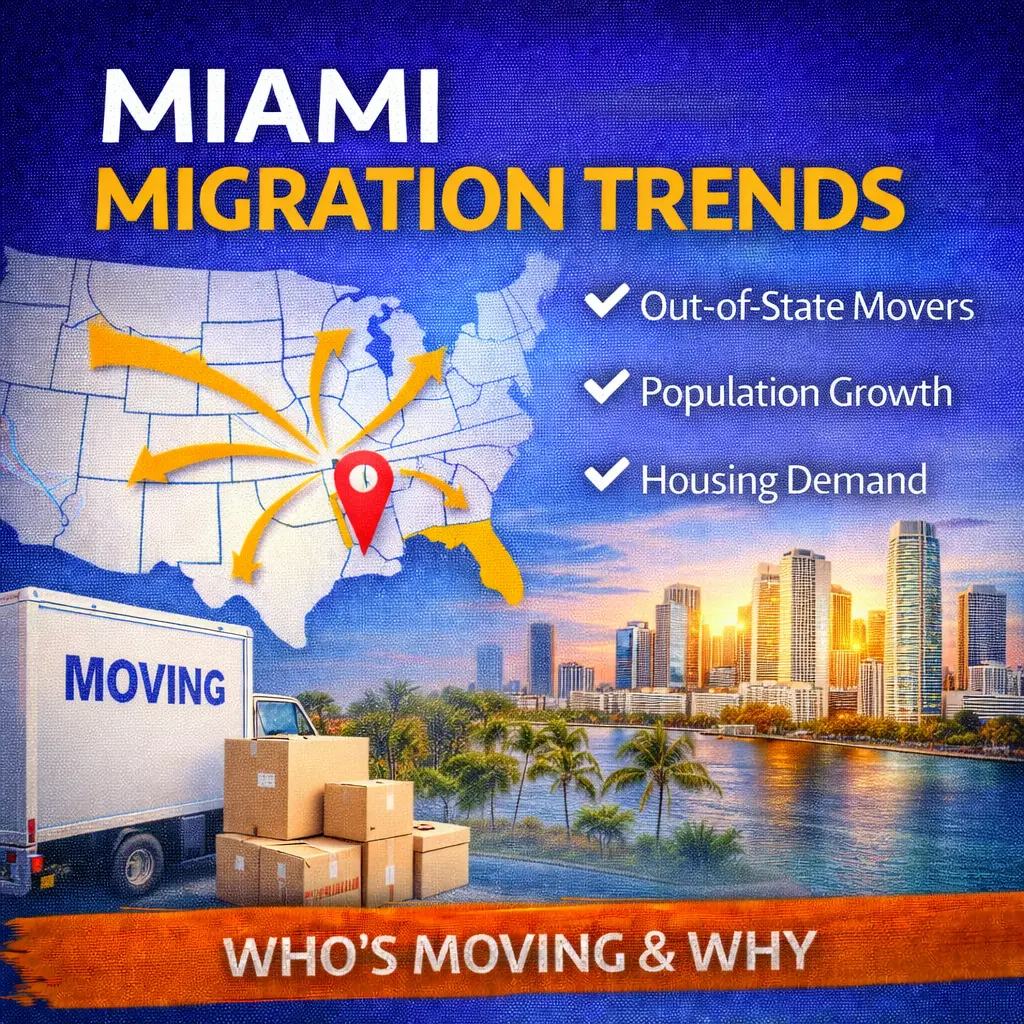
Miami Migration Trends
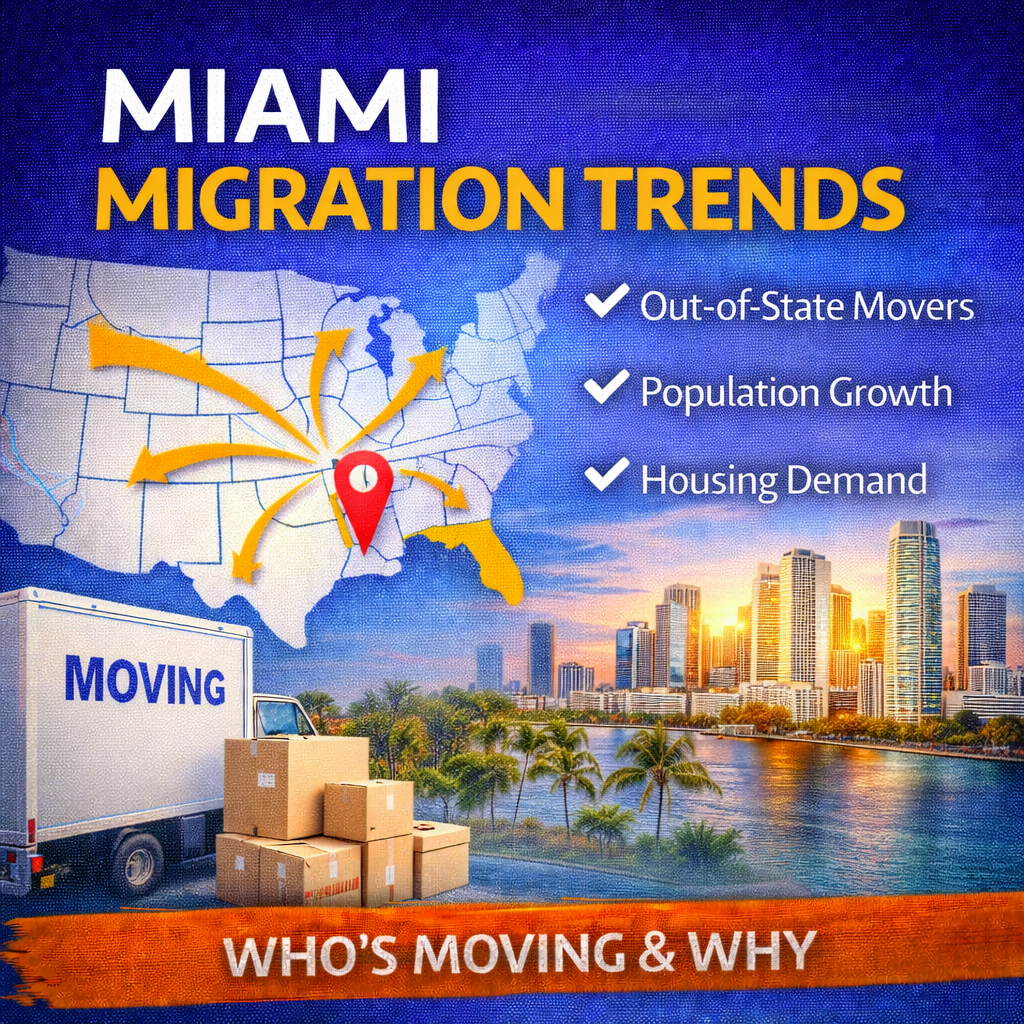
Explore Miami migration trends in 2026. Learn why people are moving to Miami, what drives population growth, and how migration impacts the local real estate market.
Introduction: Understanding Miami Migration Trends
Miami continues to be a top destination for people relocating from across the U.S. and around the world. Whether drawn by the climate, career opportunities, or lifestyle, migration patterns significantly influence Miami’s housing market and economy.
In this blog, we’ll explore current Miami migration trends, key drivers behind movement to the area, and what these trends mean for buyers, sellers, and investors in 2026.
1. Rising Population Growth
Miami’s population continues to grow year after year. People from other states — especially high‑tax regions — are relocating to Miami in search of:
-
Warmer weather
-
Lower taxes
-
Greater lifestyle diversity
-
Job opportunities
This ongoing influx of new residents supports steady housing demand and contributes to a dynamic real estate market.
2. Domestic Migration From Other States
Many people moving to Miami come from states with higher costs of living. Miami offers:
-
No state income tax
-
More affordable housing options in some neighborhoods
-
Access to beaches and year‑round outdoor activities
-
A multicultural environment
These lifestyle and financial incentives continue to attract buyers from across the U.S.
3. International Relocation Patterns
Miami’s status as a global city draws people from around the world who see the area as a gateway to the Americas. Key reasons international buyers and residents choose Miami include:
-
Business opportunities
-
Multilingual communities
-
Cultural diversity
-
Investment potential
International migration influences not just high‑end homes but also rentals and mid‑range housing.
4. Remote Work and Location Flexibility
The rise of remote work has reshaped migration dynamics. Homebuyers no longer need to live close to their jobs, and many choose Miami for its climate and lifestyle while working remotely.
This increase in remote professionals contributes to a broader and more competitive buyer base.
5. Retiree Migration
Miami and nearby communities appeal to retirees seeking:
-
Warmer climates
-
Recreational amenities
-
Active lifestyle communities
-
Healthcare access
Retirees relocating to Miami impact demand for single‑story homes, condos, and active adult communities.
6. Impact on the Housing Market
Miami migration trends affect housing in several ways:
Demand Pressure
More buyers moving in means higher demand for homes, which can support pricing strength.
Inventory Shifts
With greater interest in certain neighborhoods, inventory levels fluctuate quickly.
Increased Competition
Agents and sellers see more interest and quicker decision‑making from prospective buyers.
7. Neighborhoods Seeing Migration Growth
While the entire Miami area benefits from migration, pockets of high interest often include:
-
Coastal communities
-
Urban centers
-
Family‑friendly suburbs
-
Areas with strong rental markets
These migration‑influenced hotspots often see more activity and quicker sales.
Conclusion
Miami migration trends reflect a city that remains highly desirable in 2026 — drawing residents from across the U.S. and around the world. Whether driven by lifestyle, work flexibility, or economic opportunity, migration fuels demand, shapes neighborhoods, and impacts the Miami real estate landscape.
Understanding these trends helps buyers, sellers, and investors navigate the market with insight and confidence.
Frequently Asked Questions (FAQs)
Q: Why are people choosing to move to Miami?
A: People migrate to Miami for the weather, job opportunities, tax advantages, culture, and lifestyle amenities.
Q: Does migration impact home prices?
A: Yes. Increased migration often supports higher demand, which can help stabilize or increase home prices.
Q: Are more people moving to Miami from out of state?
A: Yes. Domestic relocation from states with higher living costs continues to be a strong trend.
Q: Is international migration still significant?
A: Absolutely. Miami’s global appeal attracts international movers who contribute to housing demand.
Q: Does remote work influence Miami migration?
A: Yes. Remote work flexibility allows people to choose Miami for lifestyle reasons without job location constraints.
Q: Do retirees move to Miami?
A: Many retirees relocate to Miami for climate, lifestyle, and amenities geared toward active adult living.
Q: Does migration affect rentals?
A: Yes. More people moving in increases rental demand and supports investor activity.
Categories
Recent Posts









GET MORE INFORMATION
