How HOA Rules Affect Your Sale Essential Seller Guide
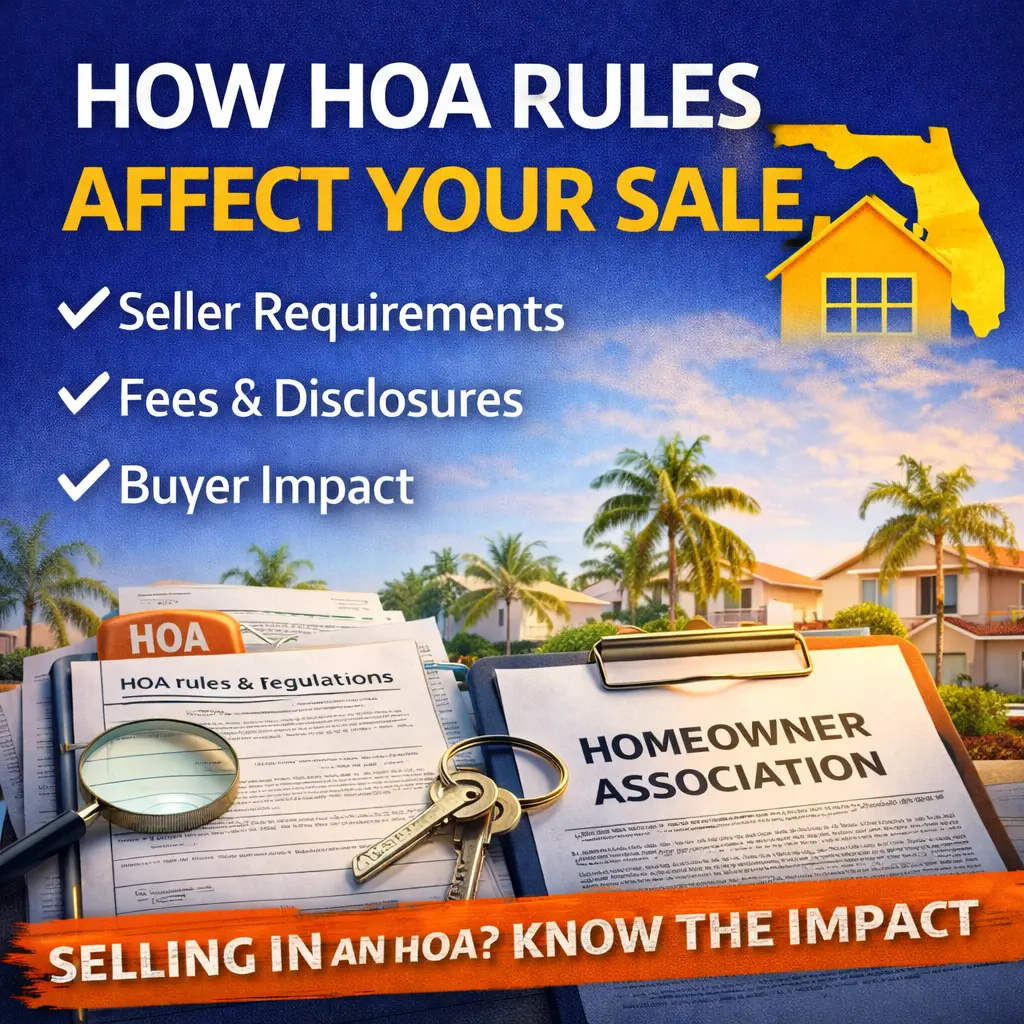
How HOA Rules Affect Your Sale
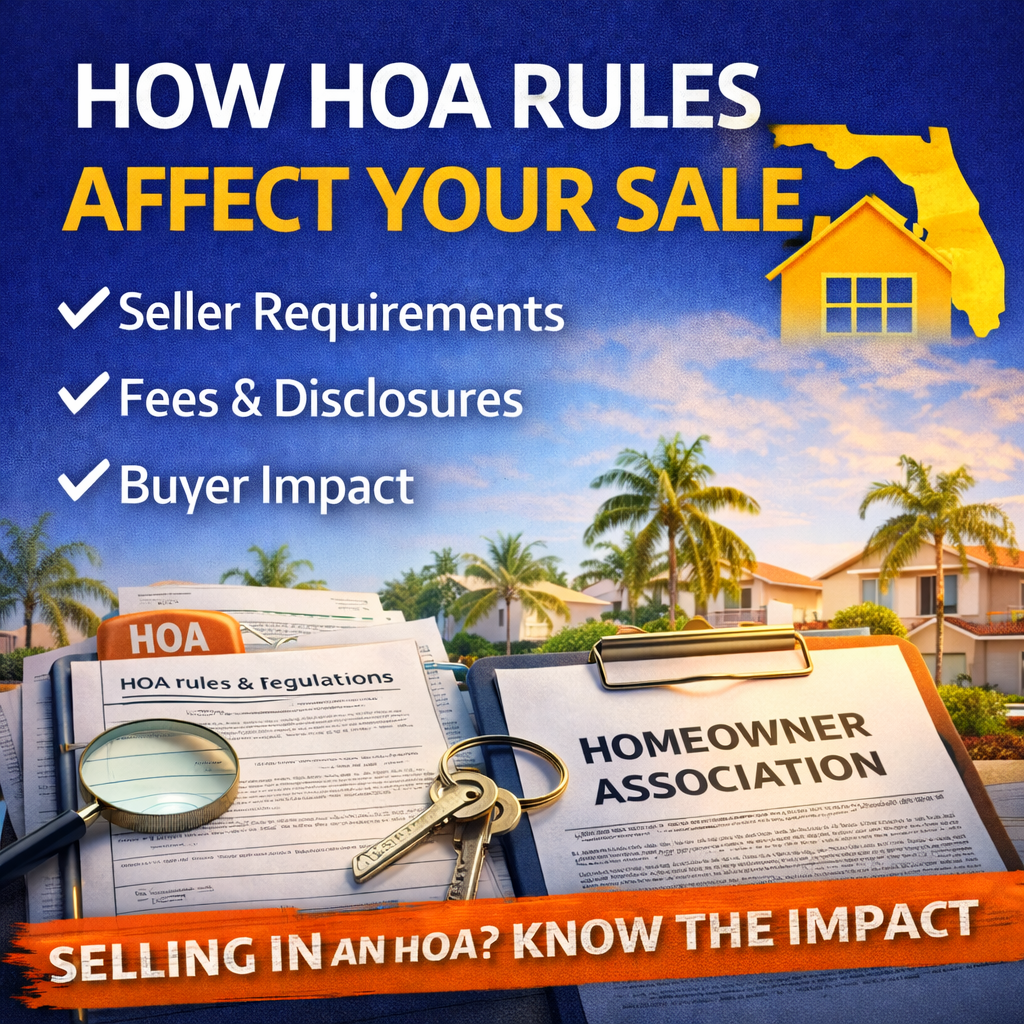
Learn how HOA rules affect your home sale, including restrictions, seller obligations, fees, disclosures, and best practices for working with homeowners associations to ensure a smooth transaction.
Introduction: Understanding HOA Rules and Home Sales
Homeowners Associations (HOAs) play a significant role in many residential communities — especially in cities like Miami, Miami‑Dade County, and other parts of Florida. If you own a home governed by an HOA, the association’s rules and regulations can directly influence your ability to sell.
Whether you’re preparing to list your home or negotiating with buyers, knowing how HOA rules affect your sale is essential for a successful and stress‑free closing process.
What Is an HOA and Why It Matters
An HOA is a governing body that manages shared spaces and enforces rules for properties within a community. These rules can include:
-
Architectural guidelines
-
Landscaping standards
-
Maintenance obligations
-
Restrictions on rentals
-
Fee assessments
When selling a home within an HOA community, you must abide by these rules and provide necessary documentation to the buyer, which can affect timing, cost, and buyer interest.
HOA Fees: How They Impact Your Sale
1. Outstanding Dues and Special Assessments
Before closing, sellers typically must pay any outstanding HOA dues or assessments. Unpaid fees can delay closing or reduce your net proceeds.
Make sure:
-
Monthly dues are current
-
Special assessments are paid or disclosed
-
Buyers understand any upcoming assessments
HOA Documents Sellers Must Provide
HOA communities often require sellers to provide specific documents such as:
-
HOA bylaws and rules
-
Financial statements
-
Meeting minutes
-
Resale certificates
-
Pending violation notices
These documents give buyers insight into the HOA’s operations and any potential challenges they may inherit as new owners.
Restrictions That Can Affect Buyer Interest
HOA rules sometimes include restrictions that buyers should understand, such as:
Rental Limitations
Some HOAs limit how often a property can be rented. This can affect investors or second‑home buyers.
Architectural or Landscaping Standards
Buyers must agree to maintain the home according to association standards, which may influence their decision.
Pet Policies
Certain HOAs have strict pet limits or breed restrictions, which could deter buyers with pets.
Understanding these rules helps sellers set expectations and market their property effectively to the right audience.
Disclosure Requirements in HOA Communities
Full disclosure of HOA rules and pending issues protects sellers and builds buyer trust. Disclosures often include:
-
Pending rule violations
-
Unpaid assessments
-
Upcoming fees
-
Enforcement actions
Not disclosing this information can lead to disputes or legal challenges after closing.
How HOAs Affect Closing Timelines
Closing on a home in an HOA community may take longer due to:
-
Document preparation and review
-
HOA approval requirements
-
Payoff statements for dues and assessments
Sellers should plan ahead to avoid last‑minute delays.
Tips for Sellers in HOA Communities
Start Early
Request required HOA documents as soon as your home goes under contract.
Resolve Violations
Fix any outstanding rule violations to avoid surprises during escrow.
Communicate with Buyers
Provide clear information about rules and fees so buyers can make informed decisions.
Budget for Fees
HOA resale document fees and outstanding dues are often paid at closing — plan for them financially.
Frequently Asked Questions (FAQs)
What is an HOA resale certificate and why does it matter?
A resale certificate contains important information about the HOA, including fees, rules, financial status, and pending violations. Buyers use it to understand what they’re committing to before closing.
Can HOA rules prevent me from selling my home?
No. HOA rules cannot legally prevent you from selling, but they can require certain disclosures and documentation that may impact the timeline and buyer interest.
Do buyers have to agree to HOA rules when they purchase?
Yes. Buyers must sign and agree to follow the HOA’s rules and regulations as part of purchasing a home in the community.
Can unpaid HOA fees delay my closing?
Yes. Most HOAs require all fees and dues to be current before issuing the resale documents needed for closing.
Are there fees associated with HOA document preparation?
Yes. HOAs commonly charge administrative or resale document fees that sellers must pay before closing.
Do HOA rules affect rental properties?
Yes. Many HOAs place restrictions on renting, including minimum lease terms and limits on the number of rentals.
Can buyers request HOA rule changes after purchase?
Typically, rule changes require a vote by the HOA membership, not just individual buyers. Buyers should review the process with the HOA board.
Conclusion: Turning HOA Rules into a Selling Advantage
HOA rules don’t have to complicate your sale — with preparation and transparency, they can become part of a smooth and effective selling strategy.
By understanding required documents, fees, restrictions, and disclosure obligations, you protect your transaction from delays and build confidence with prospective buyers.
Ready to list your home in an HOA community? Knowing how HOA rules affect your sale gives you the clarity and confidence to close with success.
Categories
Recent Posts










GET MORE INFORMATION
